


LAGUAIRA
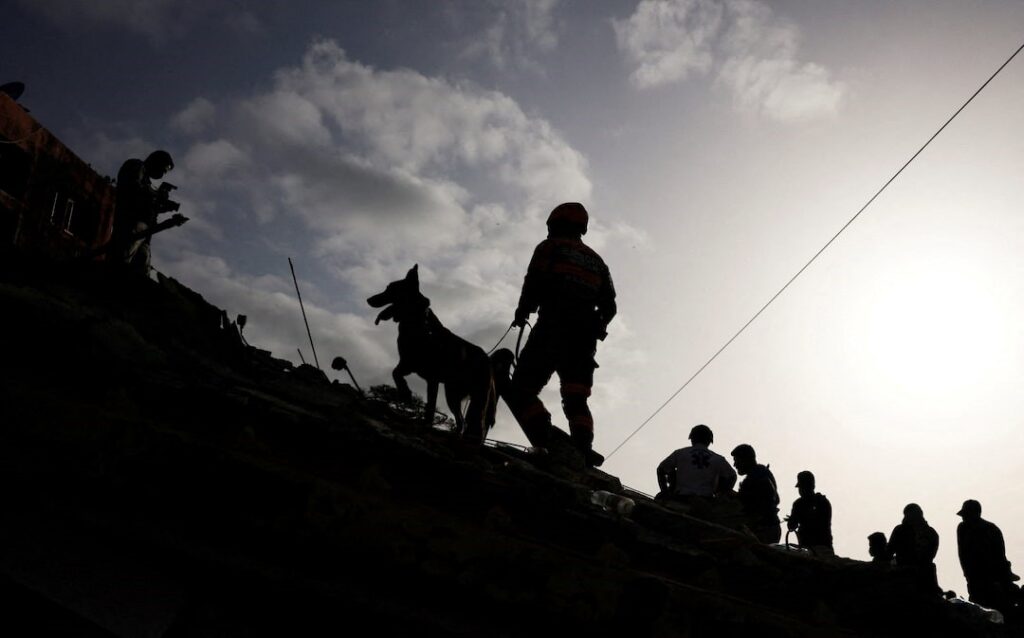
The death toll from Venezuela’s catastrophic twin earthquakes climbed above 1,400 as international rescue teams continued arriving to support large-scale search and recovery operations across the country’s hardest-hit coastal regions.
Authorities warned that the number of fatalities could continue to rise as emergency crews searched through collapsed buildings and isolated communities devastated by the powerful earthquakes and hundreds of aftershocks.
Rescue efforts remained focused on the coastal state of La Guaira and several districts of the capital, Caracas, where thousands of families have spent days searching for missing relatives. Volunteers and local residents continued digging through piles of rubble, often using hand tools due to shortages of heavy rescue equipment. Many survivors expressed frustration over what they described as an insufficient official response during the crucial early days following the disaster.
Government officials confirmed that more than 1,600 foreign rescue personnel had arrived from various countries to assist local emergency services. Additional search-and-rescue teams are expected to reach Venezuela in the coming days as the international humanitarian response continues to expand. The earthquakes, which struck on Wednesday, triggered hundreds of aftershocks that have complicated rescue operations and forced many residents to remain outdoors for fear of further building collapses.
One of the worst-affected locations was Caraballeda in La Guaira, where helicopters transported international rescue teams to inaccessible areas filled with collapsed residential buildings. Emergency crews immediately began searching damaged structures for signs of life while medical teams established temporary treatment centres for injured survivors.
Among those desperately searching for loved ones was 33-year-old industrial engineer Alejandro Serrano, who travelled from the western city of San Cristobal after losing contact with his younger sister, Ana Serrano. She had been living in the Bahía Mar residential building, which completely collapsed during the earthquakes.
Serrano explained that he had searched hospitals throughout Caracas without success before providing his sister’s personal details and address to rescue teams from Argentina and El Salvador. Although exhausted and emotionally overwhelmed, he remained hopeful that she might still be alive rather than trapped beneath the debris. His search reflected the painful uncertainty faced by thousands of Venezuelan families still awaiting news of missing relatives.
Residents in several affected neighbourhoods said emergency assistance had reached some locations more quickly than others. Heavy machinery was eventually deployed to sections of Caraballeda and Los Corales, where rescue workers continued clearing debris from collapsed homes and apartment buildings.
In the small community of Valle del Pino within Los Corales, many damaged homes remained standing but were considered unsafe to occupy. Sixty-year-old resident Beisy Rivas said nearly all of her neighbours had been sleeping outdoors since the earthquakes because repeated aftershocks made returning indoors too dangerous.