


Blurb: International scrutiny over labour rights, governance and human rights is increasing as Pak faces growing criticism over corruption, weak institutions and poor democratic practices.
MALE
Pakistan’s governance challenges are increasingly drawing international attention, with concerns now affecting the country’s global reputation and trade relations.
According to a report published by Maldivian media outlet Etruth MV, failures in governance, labour protections, human rights and democratic accountability have attracted criticism from major international partners.
The report noted that the United States Trade Representative has concluded that Pakistan has not effectively enforced laws against forced labour. At the same time, the European Union has urged Islamabad to make meaningful progress in areas such as human rights, labour standards and governance reforms.
The report highlighted growing criticism within Pakistan itself, where sections of the media have expressed concern over weakening democratic institutions, constitutional safeguards and civil liberties. It stated that successive governments have announced ambitious reforms, but ordinary citizens continue to face economic hardship, limited political representation and growing frustration.
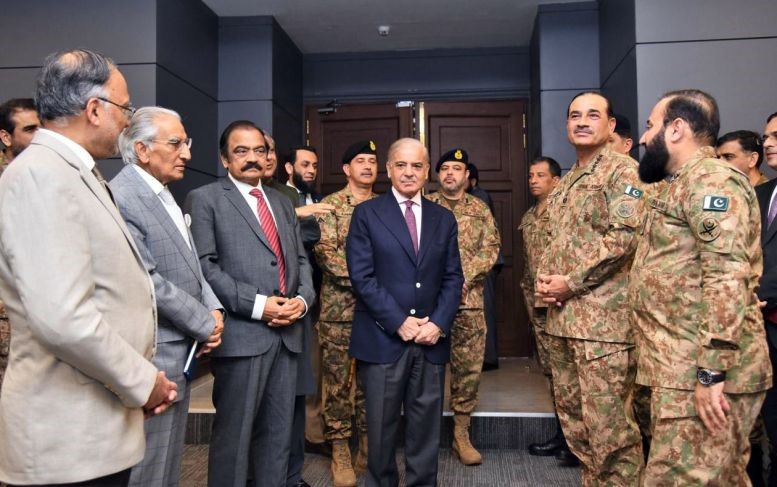
According to the report, Pakistan’s young population faces an uncertain future as economic challenges and restrictions on political expression continue. It argued that the country’s governance structure, often described as a hybrid system combining civilian rule with strong military influence, has weakened parliamentary institutions and concentrated power.
The report estimated that corruption costs Pakistan 5–6.5% of its GDP annually, or about $20–26 billion. It blamed weak institutions, political influence and bureaucratic inefficiency for eroding public trust and investor confidence. The report warned that without reforms, transparency and accountability, Pakistan could face greater international isolation and domestic instability.