


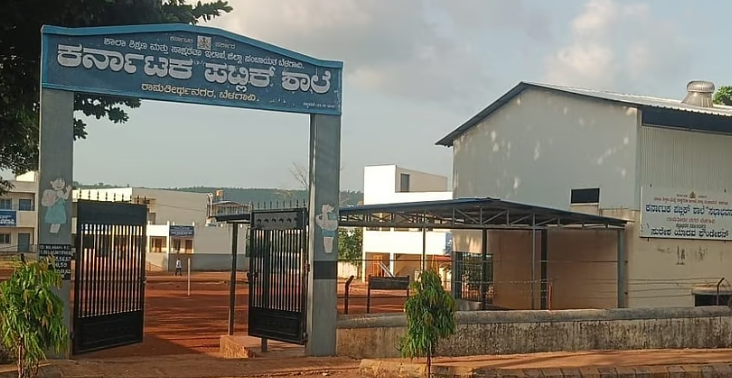
Intro
Demand grows for government PU college in Belagavi North due to limited public institutions and rising student admissions pressure.
Belagavi
The demand for establishing an additional government Pre-University (PU) college in Belagavi North constituency has gained momentum, highlighting concerns over limited access to affordable higher secondary education in the region.
According to local residents and education stakeholders, Belagavi city currently has around 72 PU colleges, but only a small fraction is government-run institutions. Of these, just one government PU college is located in the Belagavi North constituency, leaving a significant gap in public education access for students from economically weaker backgrounds.
With rising enrolment pressure after SSLC results each year, parents and educators have expressed concern that many students are forced to opt for private PU colleges due to the shortage of government seats. This often results in higher financial burden on families, particularly in urban and semi-urban areas of the constituency.
Education activists argue that the imbalance between government and private institutions is affecting equitable access to education. They say government PU colleges play a crucial role in providing low-cost education, especially for students from rural and low-income households who aspire to pursue science, commerce, and arts streams.
Reports indicate that across the Belagavi district, demand for PU education continues to rise steadily, driven by increasing pass percentages and aspirations for professional courses like engineering, medicine, and commerce-related degrees.
Stakeholders have urged the state government and the Department of Pre-University Education to consider upgrading more high schools into PU colleges or establishing new government institutions in underserved areas such as Belagavi North.
They believe that expanding public PU infrastructure will help reduce dependence on private colleges, ensure greater inclusivity, and improve overall access to higher education opportunities in the region.