


Beijing
China on Wednesday called for significant reforms in global governance systems, arguing that emerging and developing nations remain underrepresented in international decision-making bodies, particularly the United Nations.
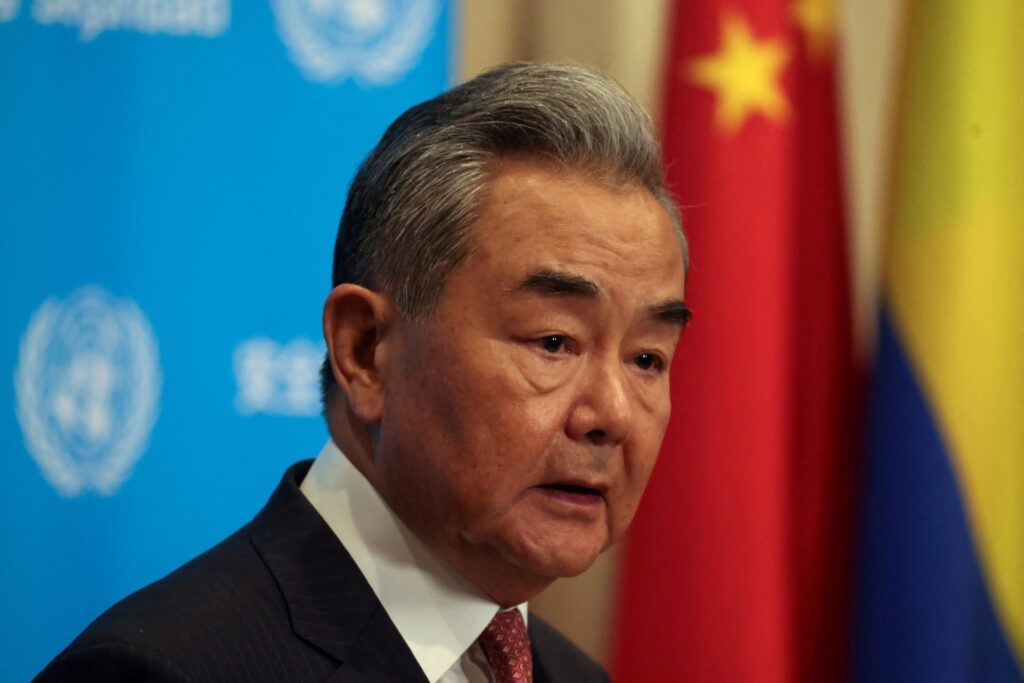
Speaking at a rare press briefing in Beijing, Chinese Foreign Minister Wang Yi emphasized the need for a more equitable international order capable of addressing growing political, economic, and security challenges around the world.
The remarks accompanied the release of a white paper outlining China’s vision for improving global governance and strengthening international cooperation. The document seeks to promote what Beijing describes as a fairer and more balanced system in which developing countries have a greater voice in shaping global policies and responses to major crises.
Wang stated that all countries, regardless of their size, economic strength, or level of development, should be treated as equal members of the international community. He argued that the concerns and perspectives of nations in the Global South deserve greater recognition within international institutions.
According to the Chinese foreign minister, the world is currently facing a series of interconnected challenges that are creating unprecedented uncertainty. He warned that global crises are becoming increasingly complex and overlapping, placing significant pressure on existing governance mechanisms. Comparing the international environment to a ship navigating dangerous waters, Wang said humanity faces hidden risks and mounting instability that require collective action.
He also referred to the growing frequency of unexpected disruptions and overlooked threats, using the concepts of black swan and grey rhino events to describe emerging risks that can have major global consequences. Such developments, he argued, demonstrate the need for stronger international coordination and more effective crisis-management structures.
Addressing ongoing conflicts, Wang called for efforts to secure a lasting ceasefire in the Middle East and urged all parties to work toward establishing a sustainable regional security framework. While providing limited details on specific diplomatic initiatives, he reiterated China’s support for dialogue and peaceful negotiations as the preferred means of resolving disputes. China has increasingly positioned itself as a supporter of diplomatic solutions to major international conflicts, including those in the Middle East and Ukraine. Beijing has consistently advocated negotiations, presenting itself as a stabilizing force and an important participant in international peace efforts. The white paper further stresses the importance of preserving the authority and effectiveness of the United Nations.