


Blurb
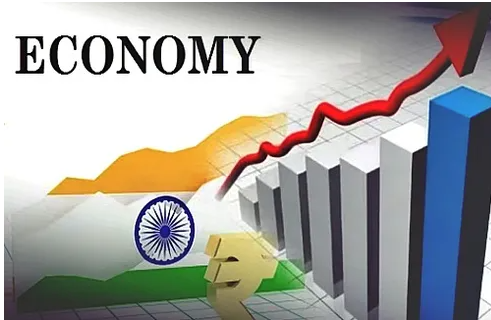
OECD projects India will remain a top growth economy with over 6% expansion in FY27–FY28 despite global shocks, inflation pressures and energy price volatility.
New Delhi
The Organisation for Economic Co-operation and Development has projected India’s economy to grow by 6.3 per cent in FY27 and 6.4 per cent in FY28, despite increasing global uncertainties stemming from the West Asia conflict and rising inflationary pressures.
In its latest outlook, the OECD said the conflict in the Middle East has become a major factor influencing the global economy, leading to higher energy, agricultural and industrial input costs. These developments have weakened growth prospects worldwide while pushing inflation higher.
The report noted that India remains one of the fastest-growing major economies, supported by strong domestic demand and easing financial conditions. The Reserve Bank of India reduced its policy rate from 6.5 per cent in January 2025 to 5.25 per cent in February 2026, helping lower borrowing costs and support economic activity. Non-food bank credit expanded by 15.9 per cent year-on-year in March, indicating healthy lending momentum.
However, the OECD warned that inflationary pressures have begun to re-emerge, largely due to rising food prices as favourable base effects fade. To keep inflation within the RBI’s 4 per cent target band, the organisation expects a temporary 25-basis-point increase in policy rates by the end of the first quarter of FY27. Monetary policy is projected to ease again in FY28 as inflation moderates.
The report also highlighted that fiscal policy is likely to become more expansionary in FY27 to cushion the impact of elevated energy prices. While the Union Budget targeted a reduction in the fiscal deficit from 4.4 per cent of GDP in FY26 to 4.3 per cent in FY27, support measures aimed at limiting the energy-price shock could widen the deficit by around 0.4 percentage points.
According to the OECD, these measures will support household incomes and consumption in the near term but may slow the pace of public debt reduction. Public debt is projected to reach 54.7 per cent of GDP by FY28, with fiscal consolidation expected to resume as energy prices stabilise and temporary support measures are withdrawn.
BOX
- India growth above six percent
- Global shocks weigh on outlook
- Inflation pressures remain key concern
- RBI policy may tighten briefly
- Fiscal support expected to continue