


Intro
India’s expanding nuclear energy ambitions are strengthening long-term uranium cooperation with key Central Asian nations
New Delhi
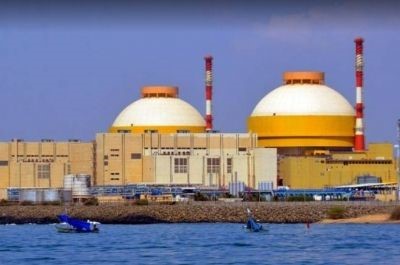
India’s rapidly growing civilian nuclear energy programme is creating new opportunities for deeper strategic cooperation with Central Asian countries, particularly Kazakhstan and Uzbekistan, according to an analysis published by Geopolitical Monitor. The report highlights that long-term uranium supply agreements are evolving beyond conventional trade arrangements and are becoming an important pillar of broader geopolitical and economic engagement between India and the region.
A major milestone in this cooperation was reached in 2026 when Kazakhstan’s national uranium company Kazatomprom and India’s Department of Atomic Energy signed a uranium supply contract valued at more than $4 billion. The agreement is being viewed as a significant step in transforming bilateral energy relations into a long-term strategic partnership. Analysts believe the deal reflects India’s determination to diversify its nuclear fuel sources while strengthening ties with resource-rich countries across Eurasia.
India has set ambitious targets for expanding its civilian nuclear power capacity. The country aims to achieve 100 gigawatts of civilian nuclear capacity by 2047, with an interim objective of reaching 22,480 megawatts by 2031-32. The government is also placing strong emphasis on the development of small modular reactors, which are expected to play a key role in future energy generation. To support these goals, the 2025-26 budget allocated more than $2 billion for nuclear development initiatives, while a dedicated Nuclear Energy Mission with funding of Rs 200 billion seeks to establish at least five domestically designed small modular reactors by 2033.
Kazakhstan is emerging as a particularly valuable partner for India’s nuclear ambitions. The Central Asian nation possesses around 14 percent of the world’s uranium reserves and remains the largest uranium producer globally. In 2025, Kazakhstan produced approximately 25,800 tonnes of uranium, including 13,500 tonnes attributed to Kazatomprom. This accounted for nearly one-fifth of global primary uranium output, underlining the country’s critical role in international nuclear fuel markets.
The report notes that uranium cooperation between India and Kazakhstan already rests on a strong institutional foundation. Kazakhstan has long been one of India’s major uranium suppliers alongside Canada. However, the latest agreement elevates the relationship from regular commercial transactions to a more comprehensive strategic connection.
For New Delhi, securing reliable uranium supplies from Kazakhstan strengthens energy security and reduces dependence on a limited number of suppliers as nuclear power generation expands. For Kazakhstan, the growing Indian market offers greater economic opportunities and strategic flexibility amid strong Chinese involvement in Central Asia’s extraction, logistics and raw material sectors.