


Blurb
Poor water management, shrinking reservoirs, rapid urbanisation and climate pressures are pushing Pakistan’s Rawalpindi and Islamabad towards a severe water crisis
Rawalpindi
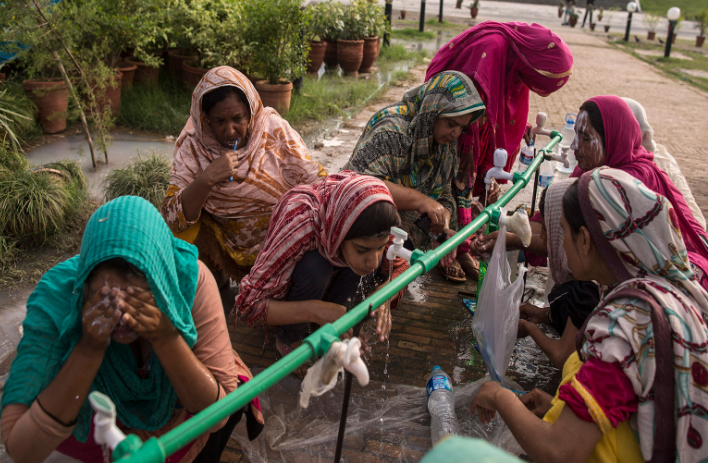
Pakistan’s twin cities of Rawalpindi and Islamabad are heading towards a major water crisis due to decades of poor water management, rapid urban expansion, shrinking reservoirs, and climate-related pressures. Experts warn that worsening shortages could severely affect millions of residents in the coming months.
The crisis has been aggravated by declining water levels in key reservoirs such as Simly and Khanpur dams, which supply drinking water to the federal capital and surrounding regions. Rapid population growth, unchecked construction, and inadequate planning have sharply increased water demand in both cities.
Analysts say Pakistan’s broader water management failures are central to the problem. The country has one of the world’s lowest water storage capacities and loses massive quantities of water annually because of outdated irrigation systems, leakages, poor recycling infrastructure, and delayed dam projects. Experts estimate that Pakistan wastes significant amounts of freshwater flowing unused into the Arabian Sea every year.
Urban infrastructure in Rawalpindi and Islamabad is also under severe strain. Aging drainage systems, groundwater depletion, untreated wastewater, and poor flood management have worsened conditions. Areas around the Lai Nullah basin remain highly vulnerable to seasonal flooding and water contamination during monsoon rains.
Authorities have proposed several long-term solutions, including the Ghazi Barotha water supply project and the Dadocha Dam project, aimed at improving water availability for the twin cities. However, repeated delays, rising costs, and governance challenges have slowed progress.
Climate change has added further pressure on Pakistan’s already stressed water resources. Irregular rainfall, glacier melt, drought conditions, and rising temperatures are making water supplies increasingly unpredictable. Experts warn that unless urgent reforms are implemented, Pakistan could face even deeper economic, agricultural, and public health crises linked to water scarcity.