


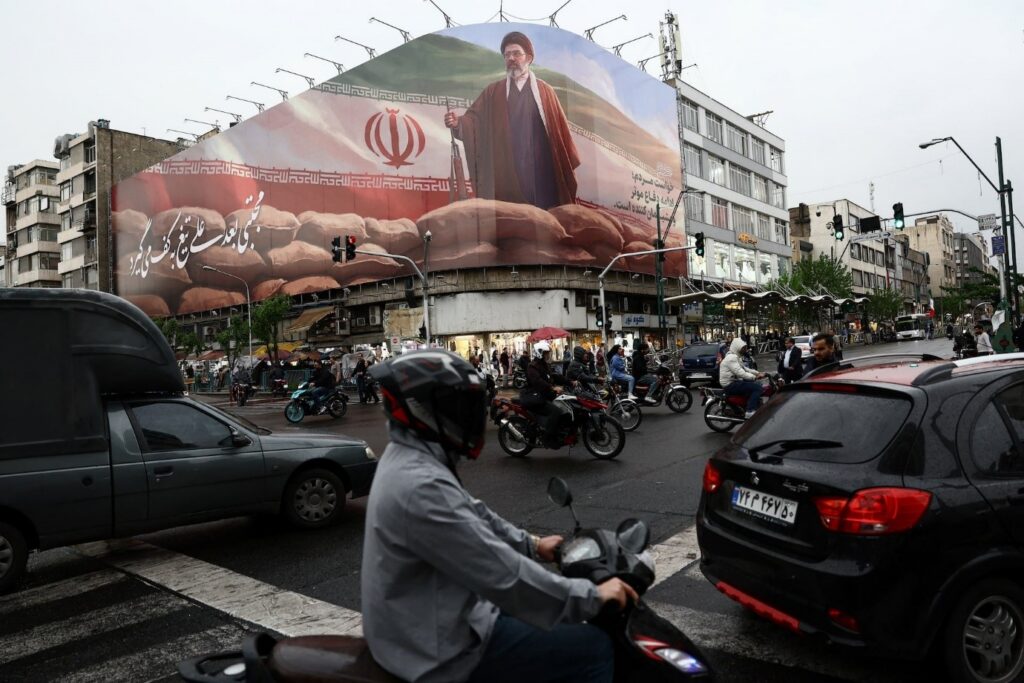
INTRO: ‘Israel will not consider the conflict resolved unless Iran’s enriched uranium is removed, its ballistic missile program is dismantled’
Dubai
The reported order from Ayatollah Mojtaba Khamenei marks a significant hardening of Iran’s position on one of the key demands made by the United States during peace negotiations.
Washington and Israel have insisted that Iran’s highly enriched uranium stockpile be removed from the country as part of any final agreement aimed at reducing regional tensions and preventing the development of nuclear weapons.
According to the Iranian sources, the Supreme Leader believes that transferring the uranium abroad would weaken Iran’s security and leave the country exposed to future military pressure from both the United States and Israel.
The sources, who spoke anonymously due to the sensitivity of the issue, said there is broad agreement among senior Iranian officials that the stockpile must remain under Iranian control.
Israeli officials have reportedly said that U.S. President Donald Trump assured Israel that any peace deal would include provisions requiring Iran to export its enriched uranium.
Israeli Prime Minister Benjamin Netanyahu has repeatedly stated that Israel will not consider the conflict resolved unless Iran’s enriched uranium is removed, its ballistic missile program is dismantled, and its support for regional proxy militias comes to an end.
Iran has consistently denied accusations that it is attempting to develop nuclear weapons. However, Western countries, including the United States and Israel, have expressed concern over Tehran’s decision to enrich uranium to 60 percent purity, a level much higher than required for civilian energy purposes and much closer to weapons-grade enrichment levels of around 90 percent.
A fragile ceasefire currently remains in place after weeks of escalating military conflict that began with U.S.-Israeli strikes on Iranian targets on February 28. Iran later responded by targeting Gulf states hosting American military bases, while clashes also intensified between Israel and the Iran-backed Hezbollah group in Lebanon.
Despite diplomatic mediation efforts led by Pakistan, negotiations have made little progress. Tensions remain high due to the ongoing U.S. blockade of Iranian ports and Tehran’s strategic control over the Strait of Hormuz, one of the world’s most important oil shipping routes. Analysts warn that disagreements over Iran’s uranium stockpile could become a major obstacle to achieving a lasting peace agreement in the region.