


Intro
Karnataka government targets self-reliance in cashew production through farmer support, modern cultivation methods, processing industries, and market expansion initiatives.
Mangaluru
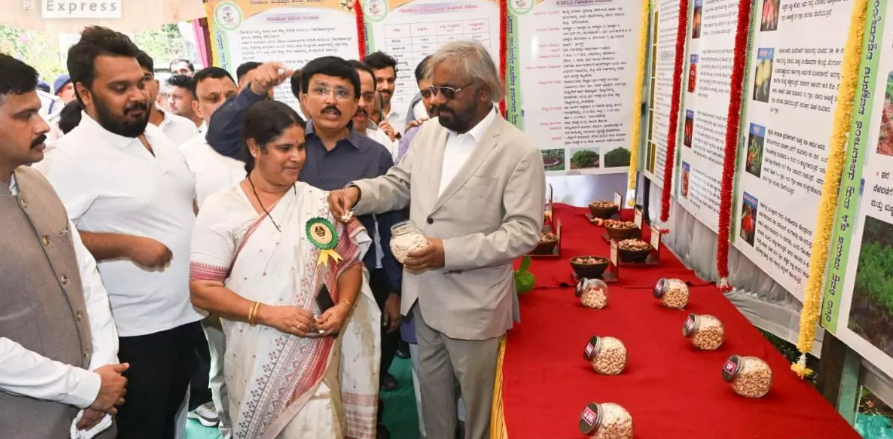
Karnataka Forest Minister Eshwar Khandre has announced that the state government is working towards achieving self-reliance in cashew production by expanding cultivation and supporting farmers through various development initiatives. Speaking at a cashew cultivation and value-added products workshop held in Mangaluru, the minister said Karnataka possesses strong potential to become one of the leading cashew-producing states in India.
He stated that the government has allocated Rs 1 crore to encourage cashew farming and improve production capacity in coastal and semi-coastal districts. Areas such as Dakshina Kannada, Udupi, and Uttara Kannada are considered highly suitable for cashew cultivation due to favorable climatic conditions. The minister urged farmers to adopt scientific and modern farming practices to increase productivity and improve the quality of produce.
According to Eshwar Khandre, the government will provide quality saplings, technical assistance, training programs, and market support to farmers involved in cashew cultivation. He emphasized that strengthening the cashew sector would not only help the state reduce dependence on imports from other regions but also improve the economic condition of local farmers.
The minister also highlighted the importance of cashew processing and value-added products in generating employment opportunities. He said promoting local processing industries would create jobs for rural youth and women while increasing the value of Karnataka’s agricultural products in domestic and international markets.
He further noted that demand for cashew products continues to rise both in India and abroad. By focusing on cultivation, processing, and marketing, Karnataka aims to build a sustainable and competitive cashew industry. The government believes these initiatives will help farmers earn better incomes and contribute significantly to the state’s agricultural economy in the coming years.