


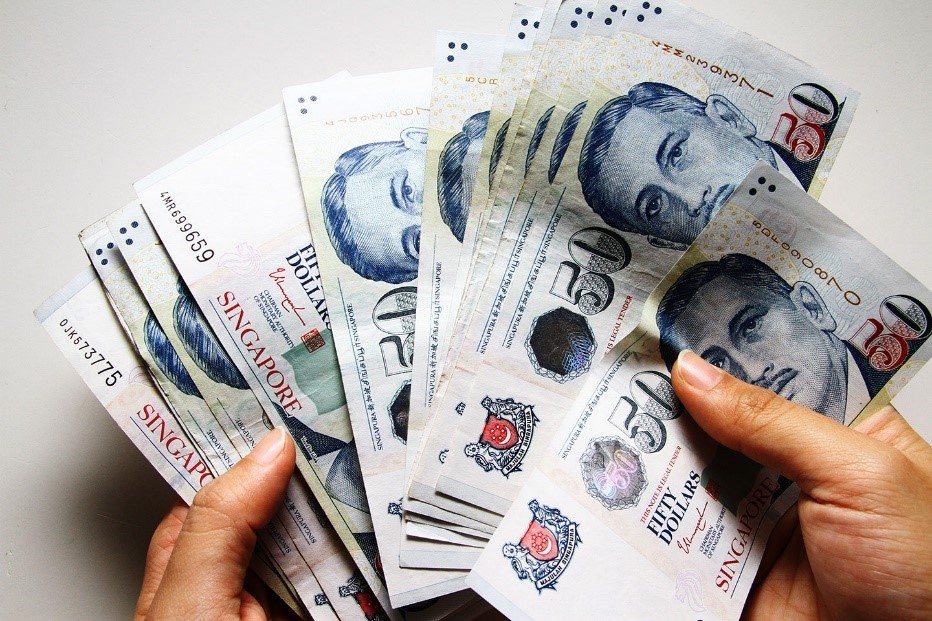
Singapore acts as a neutral offshore hub, boosting renminbi internationalization and securing its status as Asia’s premier financial gateway
NEW DELHI
Singapore has solidified its position as a vital bridge for China’s plan to turn the renminbi (RMB) into a global currency. According to a new reports, the city-state is now the world’s second-largest offshore RMB hub, trailing only Hong Kong, as China looks to reduce its reliance on the US dollar.
The report highlights that Singapore offers Beijing a unique advantage, it is a “politically neutral” and globally trusted financial center.
This is particularly important as regulatory changes in Hong Kong have made some international investors cautious. By using Singapore as a gateway, China can gradually grow its currency’s influence across Southeast Asia while maintaining a stable connection to the global economy.
For Singapore, this partnership is a strategic win. It allows the city-state to capture a larger share of trade and wealth management as Southeast Asian economies become more integrated with China. By embedding itself in this “RMB ecosystem,” Singapore isn’t just facilitating China’s growth, it’s securing its own future as the premier financial heart of Asia.
Key milestones in partnership
- Massive deposits: Singapore now holds 276 billion RMB in deposits and cleared a staggering 9.7 trillion RMB in payments in 2024.
- Double clearing banks: In a major move, DBS Bank was recently named Singapore’s second RMB clearing bank, joining ICBC to provide direct access to Chinese markets.
- Alternative to SWIFT: Three major Singaporean banks have joined China’s Cross-Border Interbank Payment System (CIPS), a direct alternative to the Western-led SWIFT system, making transactions faster and cheaper.
- Bond market access: Singapore-based institutions are playing a bigger role in helping foreign investors enter China’s $25 trillion bond market.