


NEW DELHI
As global oil markets reel from the closure of the Strait of Hormuz and soaring crude prices, India’s ethanol-blending program is being hailed as a “biofuel success story.” According to reports, it has been highlighted on how India’s aggressive move toward greener fuel is providing a vital cushion against the current international energy crisis.
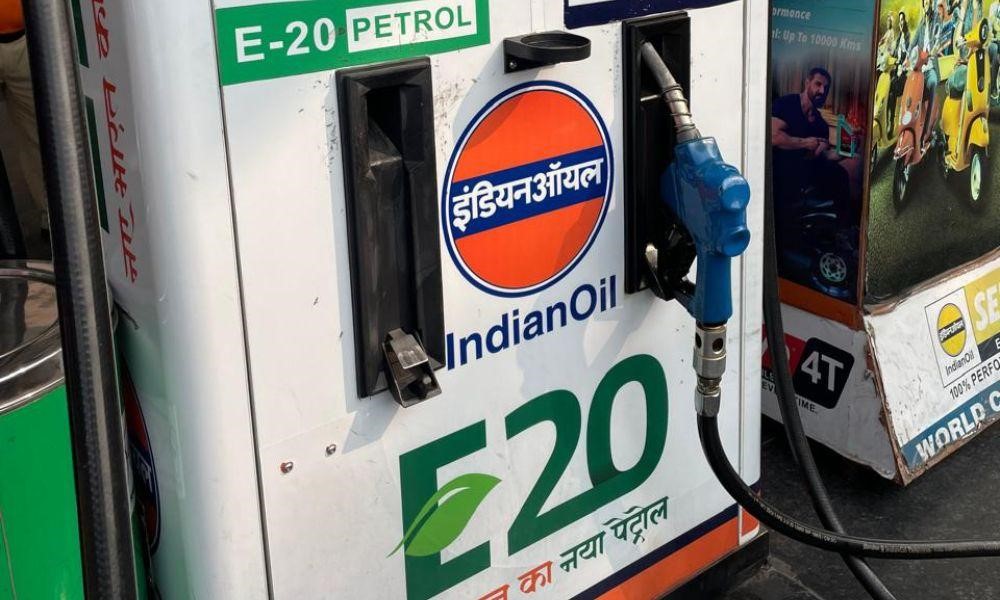
From a tiny 1.5% blending level in 2014, India has rapidly scaled up to achieve nearly 20% ethanol blending (E20) ahead of its original schedule. The country is now setting its sights even higher, preparing for E85 and E100 fuels designed for flex-fuel vehicles that can run almost entirely on ethanol.
Strategy behind the success
The report credits India’s 2018 National Policy on Biofuels as the major turning point. This policy allowed ethanol to be made from more than just sugarcane, opening the door for:
- Damaged food grains and surplus rice
- Maize (corn)
- Agricultural residues (crop waste)
By using these materials, India has reduced its reliance on water-intensive sugarcane and turned grain-producing regions in Northern and Central India into “energy hubs.”
What started as a way to cut carbon emissions has transformed into a powerful tool for energy security. By blending locally produced ethanol with petrol, India is saving billions of dollars that would otherwise be spent on imported crude oil.
The benefits are also being felt deeply in the rural economy. The high demand for biofuel feedstock is putting more money into the pockets of farmers and creating thousands of jobs in distilleries, logistics, and manufacturing. As instability in West Asia continues to threaten global supply chains, India’s ethanol strategy is proving to be a masterclass in building economic resilience through homegrown innovation.