


Beverly Hills
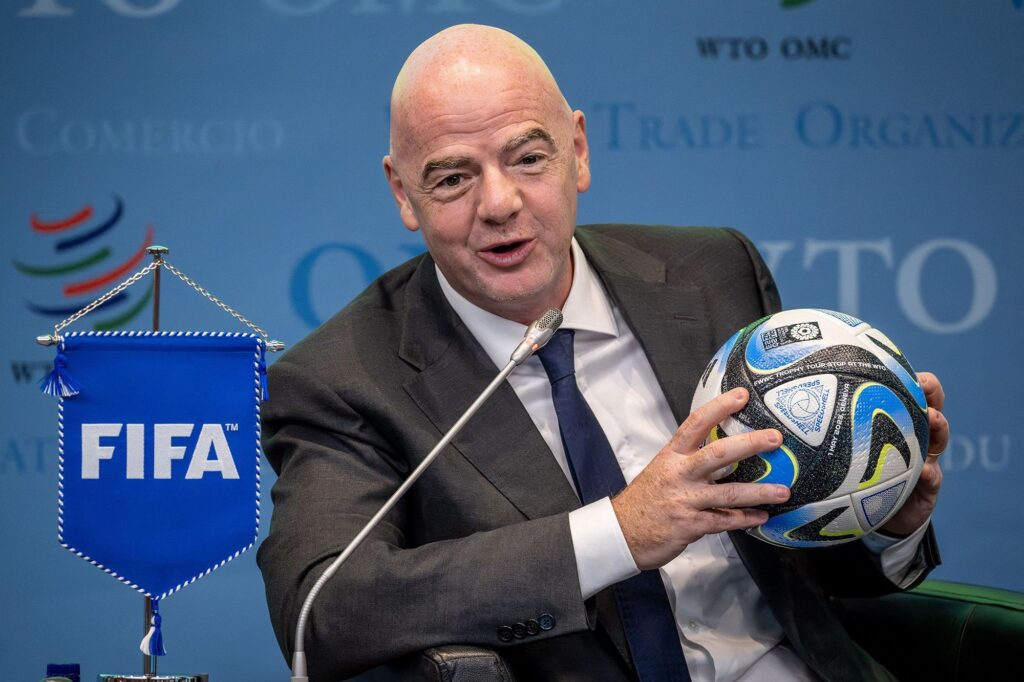
FIFA president Gianni Infantino has defended the soaring ticket prices for the FIFA World Cup 2026, stating that market demand and United States resale laws justify the sharp rise, even as criticism from fan groups intensifies.
Infantino’s remarks came after reports that tickets for the July 19 final, listed on FIFA’s official resale platform, were being advertised at prices exceeding $2 million. He clarified that such figures reflect resale listings rather than official face-value pricing.
“If someone lists a ticket for $2 million, it doesn’t mean it will sell at that price,” Infantino said, adding humorously that he would personally ensure a premium experience for any buyer at such a cost.
The governing body has come under fire from supporter organisations, including Football Supporters Europe, which has labelled the pricing structure “excessive” and initiated legal action with the European Commission. Critics argue that the escalating costs risk alienating traditional fans and undermining accessibility.
Infantino, however, maintained that FIFA must operate within the realities of a competitive entertainment market, particularly in the United States, where ticket resales above face value are legally permitted. “We have to look at the market. If prices are set too low, they will simply be resold at much higher rates,” he explained.
The contrast with previous tournaments has been stark. At the FIFA World Cup 2022, the most expensive final ticket was priced at around $1,600, whereas official top-tier tickets for 2026 are expected to reach approximately $11,000 before resale inflation.
Infantino also highlighted unprecedented global interest, revealing that FIFA has received over 500 million ticket requests for the 2026 edition—far surpassing combined demand for the 2018 and 2022 tournaments. He added that around 25 percent of group-stage tickets are priced below $300, arguing that this remains competitive within the US sports market.
While FIFA insists the pricing reflects demand and market conditions, the debate underscores growing tension between commercial realities and fan accessibility as the World Cup expands into a 48-team global spectacle.