


Bengaluru
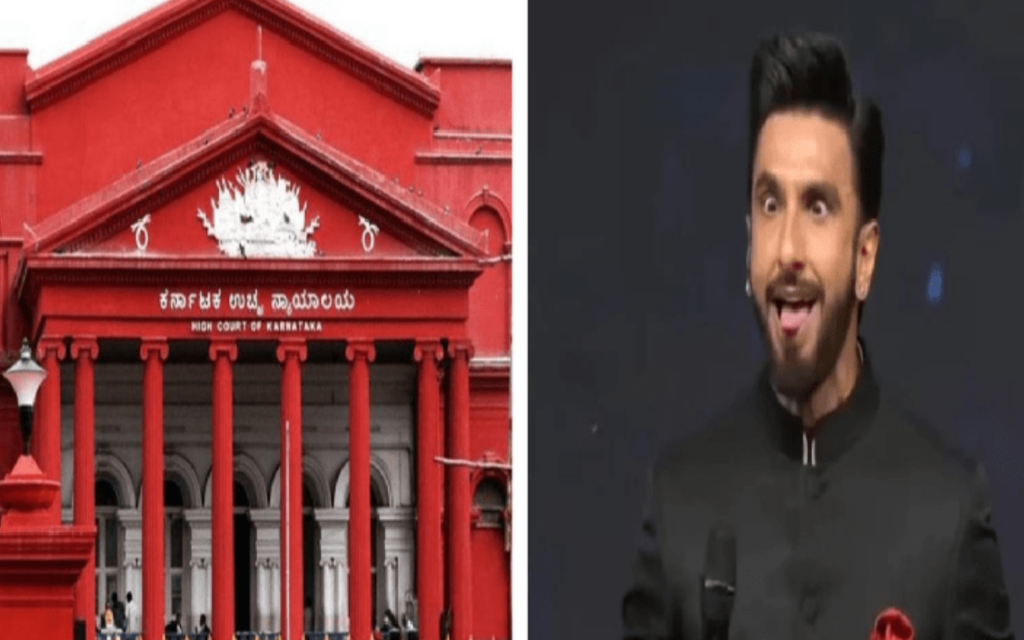
Bollywood actor Ranveer Singh has tendered an unconditional apology before the Karnataka High Court over a controversy linked to the film Kantara Chapter 1.
The court accepted his apology and disposed of his plea seeking the quashing of an FIR registered against him, bringing a significant development in the widely discussed issue.
The controversy arose after allegations surfaced that Ranveer Singh made an objectionable gesture while referring to the Chamundi character associated with the cultural and spiritual themes portrayed in Kantara Chapter 1.
The remarks triggered strong reactions, particularly among communities that deeply revere regional traditions and deities. Following public outrage, a formal complaint was filed, leading to the registration of an FIR against the actor.
In response, Ranveer Singh approached the Karnataka High Court seeking relief. During the hearing, his legal team submitted an affidavit in which the actor issued an unconditional apology. In the document, he acknowledged that his actions had hurt the sentiments of devotees and communities connected to the traditions depicted in the film. He expressed deep regret and assured that there was no intention to disrespect cultural or religious beliefs.
The apology was presented before the court by senior advocate Sajan Poovayya, who also informed the bench that the actor intends to visit Chamundi Hills to offer his respects. The counsel requested the court to provide a timeline for this visit as part of the actor’s gesture of reconciliation.
Taking note of the apology, the High Court accepted the submission and disposed of the petition. The bench observed that the actor’s unconditional apology addressed the concerns raised in the complaint. It also indicated that further directions regarding the proposed visit to Chamundi Hills would be issued separately.
The controversy, which had been widely debated on social media, also involved sentiments linked to revered figures such as Panjurli Daiva. Many users had called for accountability, while others emphasized the importance of respecting artistic freedom alongside cultural sensitivity.
With the court accepting the apology, the matter appears to have reached a resolution. The development has been seen as a reminder of the importance of exercising caution and respect when addressing culturally significant subjects, especially in a diverse society like India.