


TOKYO
Japan has officially changed its laws to allow the sale of lethal weapons to other countries.
This major update marks a massive shift in how the nation handles its military equipment. For decades, Japan followed strict rules that only allowed the export of non-combat gear, like rescue tools and transport vehicles.
Under the new guidelines, the government is scrapping those old limits. Instead of just five specific categories, equipment is now divided into “weapons” and “non-weapons.” This means Japan can now export high-powered gear, including missiles and destroyers, to countries that have signed security agreements. While the government says it won’t sell to nations currently at war, “special circumstances” could allow exceptions if Japan’s own security is at stake.
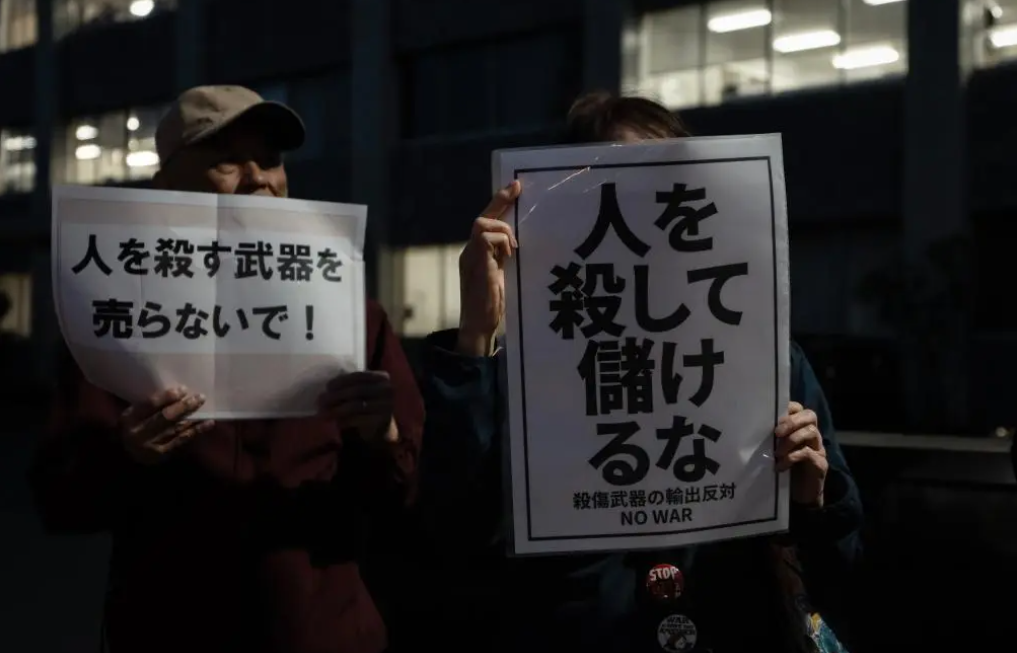
The decision has sparked anger across the country. Many citizens are worried that this moves Japan away from the “peace-loving” identity it adopted after World War II. Protesters gathered in Tokyo this week, holding signs calling the move a “rejection of peace” and chanting slogans to avoid repeating past mistakes.
One of the biggest complaints from opposition leaders is that these sales no longer require approval from Parliament. Instead, a small security council will make the final calls in private. This change happened on the same day as a controversial festival at a local war shrine, adding more tension to the debate. Critics fear that without more oversight, Japan risks becoming a “merchant of death” and fueling conflicts around the world.