


London
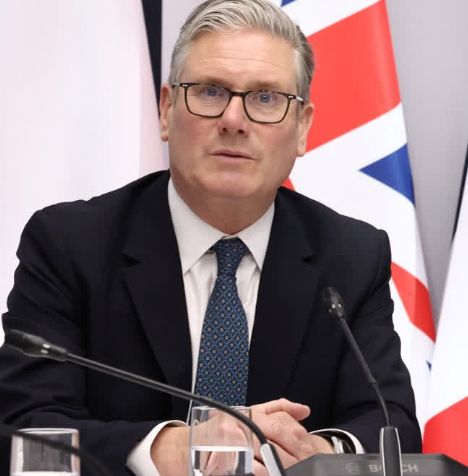
British Prime Minister Keir Starmer is facing renewed political pressure after fresh revelations surrounding the appointment of Peter Mandelson as UK ambassador to the United States, raising questions about government transparency and parliamentary accountability.
The controversy has intensified following reports that Mandelson was initially denied security clearance before being appointed, despite Starmer telling Parliament that full due process had been followed. The discrepancy has triggered allegations that the Prime Minister may have misled lawmakers.
The issue has already led to the resignation of a senior Foreign Office official, further deepening the political fallout. Starmer has said he was not informed of key aspects of the vetting process and described the situation as “staggering” and “unforgivable,” promising to address Parliament directly.
Mandelson, a senior political figure with a long history in UK politics, was appointed amid expectations that his diplomatic and trade experience would strengthen relations with the United States. However, his past associations and prior controversies have repeatedly resurfaced, complicating his tenure.
The situation has escalated into a broader debate about political judgment, with critics arguing that the appointment reflects serious lapses in oversight. Opposition leaders have accused the government of losing credibility, while members within Starmer’s own party are reportedly concerned about reputational damage.
Analysts note that the controversy is particularly sensitive for Starmer, who built his political platform on integrity and adherence to rules. The unfolding situation now risks undermining that narrative at a critical time for his leadership.
A parliamentary statement is expected, with growing speculation over whether the crisis could further weaken internal support within the ruling party if dissatisfaction continues to rise.