


NEW DELHI
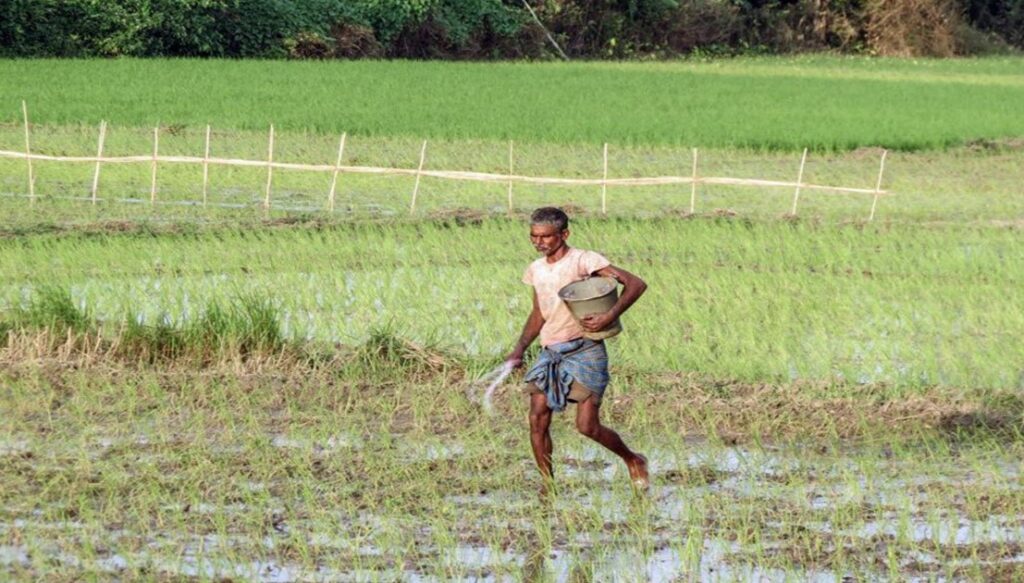
India’s farmers are facing a difficult year as a “trifecta” of risks threatens to stall agricultural growth. A new report warns that a weak monsoon, the return of El Niño, and global supply chain disruptions from the West Asia war could hurt crop yields and push food prices higher.
For the first time in 25 years, the weather office’s early forecast predicts “below-normal” rainfall at just 92 percent of the long-term average. This is a sharp drop from the last two years of healthy rains. Experts worry this will make it harder for farmers to plant summer crops like rice and pulses, which rely heavily on the June-to-September monsoon. Adding to the stress, there is a 62 percent chance that El Niño, a climate pattern known for drying out Indian rains, will develop by mid-summer.
The challenges aren’t just coming from the sky. The ongoing conflict in West Asia is threatening the supply of fertilizers. India relies on the region for raw materials, and any disruption could leave farmers without the nutrients needed for their fields. ICRA suggests that if these problems persist, food inflation could climb above 4.5 percent, making groceries more expensive for everyone.
There is one small bit of good news: India’s water reservoirs are currently fuller than they have been in a decade. This extra water provides a “cushion” for irrigation if the rains fail. However, the overall outlook remains cautious. To keep rural communities afloat, experts say the government must ensure fair crop prices and secure alternative fertilizer sources before the planting season begins.