


Intro
New eligibility rules reignite complex debate over biology, fairness, identity
Bengaluru
The International Olympic Committee’s (IOC) latest policy on female category eligibility has reignited a global debate on the intersection of biology, fairness, and identity in sport ahead of the Los Angeles 2028 Olympics.
Under the new guidelines, eligibility for women’s events will be restricted to “biological females,” determined through a one-time screening for the SRY gene — a marker associated with male sex development. The policy, to be implemented for the first time at the 2028 Games, effectively excludes transgender women and certain athletes with Differences in Sex Development (DSD) from competing in the female category.
The move has drawn mixed reactions. While some view it as a necessary step to ensure fairness, others argue it oversimplifies the complexities of human biology. Experts caution that sex determination cannot be reduced to a single genetic marker, pointing to the intricate interplay of chromosomes, hormones, and bodily responses.
The screening process itself is relatively non-invasive, involving saliva, cheek swabs, or blood samples. Athletes who test negative are cleared to compete. However, a positive result — indicating the presence of a Y chromosome — triggers further evaluation, subject to the athlete’s consent.
Conditions such as Androgen Insensitivity Syndrome (AIS) and 5-alpha reductase deficiency (5-ARD) complicate the issue further. While athletes with Complete AIS may still be eligible, those with Partial or Mild AIS, as well as 5-ARD, are barred due to perceived performance advantages linked to testosterone sensitivity.
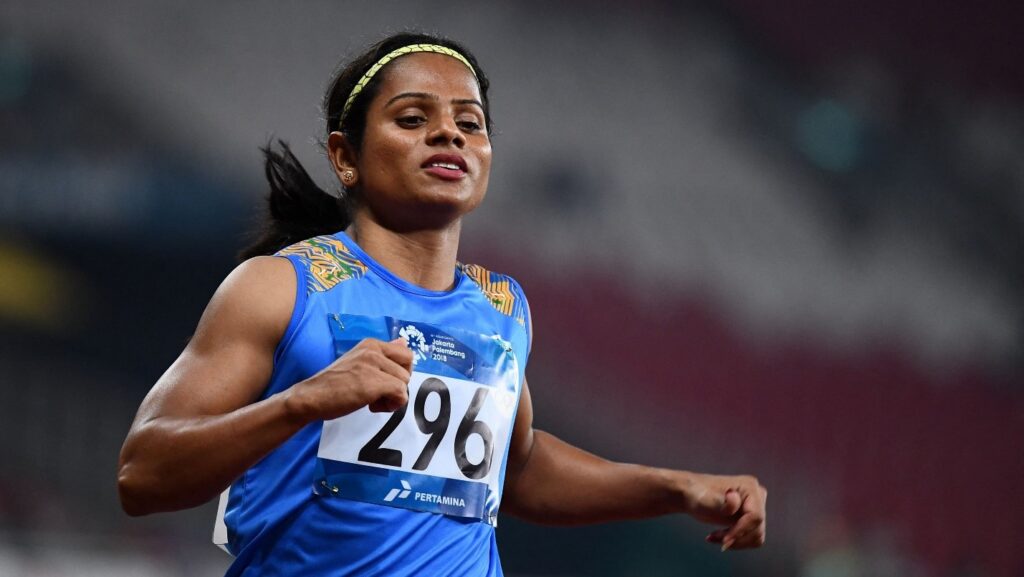
The debate is not new to India. Sprinter Dutee Chand, who was previously barred due to hyperandrogenism, had successfully challenged similar regulations at the Court of Arbitration for Sport, only to find herself once again at the centre of a shifting policy landscape.
Other athletes, including Caster Semenya, have also faced scrutiny over DSD conditions, highlighting the human impact of such rules.
Medical experts stress the need for sensitivity, counselling, and ethical implementation, noting that genetic testing can have profound psychological and social consequences.
While the IOC maintains that the policy prioritises fairness under uncertainty, critics argue that it risks exclusion and stigma. As sport grapples with evolving definitions of gender and competition, the challenge lies in balancing inclusivity with integrity — a debate that is far from settled.