


INTRO: ‘Data from the 1960s showed better income levels in Naxalbari compared to some non-affected areas, challenging claims that poverty alone caused the uprising’
New Delhi
The Centre has said a mix of strong security action and welfare measures helped end Maoist insurgency in India after decades. Union Home Minister Amit Shah told Parliament that the movement, which began in Naxalbari in 1967, was driven more by ideology than poverty.
He said data from the 1960s showed better income levels in Naxalbari compared to some non-affected areas, challenging claims that poverty alone caused the uprising. Inspired by Mao Zedong, the movement aimed to establish a “People’s Democratic Republic” through armed struggle.
Over the years, the insurgency spread across several states, forming the “Red Corridor” and affecting crores of people. Shah said more than 20,000 people, including security personnel, lost their lives in the violence. He also claimed that insurgents collected large sums of money annually and disrupted development by targeting infrastructure and industries.
According to the government, most weapons used by Maoists were looted from police stations rather than imported. Frequent attacks, including raids on camps and prisons, added to the fear in affected regions.
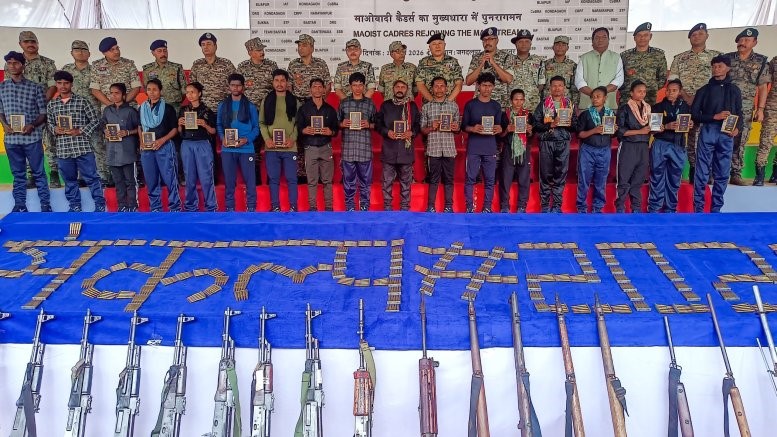
The government said the situation changed after 2014 under Prime Minister Narendra Modi, with a policy combining strict action against militants and rehabilitation schemes. Surrendered cadres were given financial aid, housing, and support for education.
Officials said the number of affected districts has dropped sharply, with only a few areas now impacted. The government claims the insurgency has effectively ended as of March 31, 2026.
The Centre said its approach of strong enforcement along with development helped restore normalcy and strengthen democracy in previously affected regions.