


Tumakuru
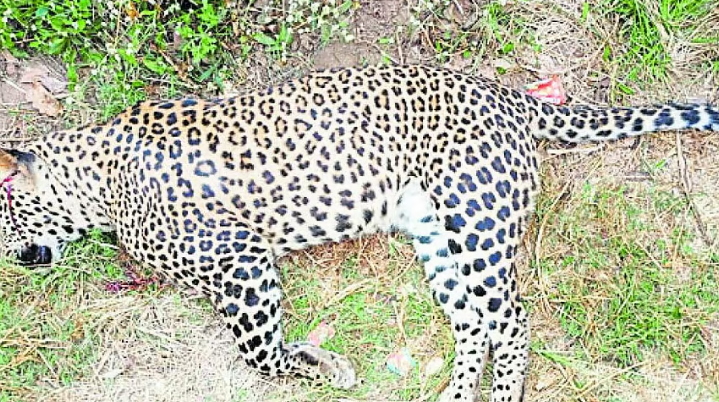
Human-wildlife conflict is on the rise in Tumakuru district, with authorities struggling to keep pace in investigating cases registered under the Wildlife Protection Act. Officials have revealed that a significant number of cases remain pending, raising concerns about delays in justice and wildlife protection.
According to official data, as many as 101 cases related to wildlife offences and conflicts are currently awaiting disposal in the district. While chargesheets have been filed in 30 cases, the remaining 71 cases are still under investigation, indicating a backlog that has slowed down the overall process.
Forest department officials have pointed out that the delay is largely due to a shortage of dedicated personnel and the additional responsibilities assigned to them. An Assistant Conservator of Forests has been tasked with investigating cases of unnatural wildlife deaths, but the officer is also burdened with other departmental duties. This dual responsibility has made it difficult to complete investigations within the stipulated time frame.
The rising number of cases highlights the increasing tension between human settlements and wildlife habitats in the region. Expansion of agricultural activities, encroachment into forest areas, and changes in natural ecosystems are believed to be contributing factors to this growing conflict.
One of the major incidents cited by officials occurred in August 2025, when more than 20 peacocks were found dead under suspicious circumstances in Hanumanthapura in Madhugiri taluk. Such incidents have intensified concerns about illegal activities, poisoning, and habitat-related threats to wildlife.
Environmentalists and local residents have expressed concern over the slow pace of investigations, emphasizing the need for stricter enforcement and faster action. They have urged authorities to allocate more resources and personnel to handle wildlife-related cases effectively.
Officials acknowledge the challenges and have assured that steps will be taken to speed up investigations and improve coordination between departments. Strengthening wildlife protection measures and addressing the root causes of conflict are seen as essential to prevent further incidents.
The situation underscores the urgent need for a balanced approach that ensures both wildlife conservation and the safety of communities living near forest areas.