


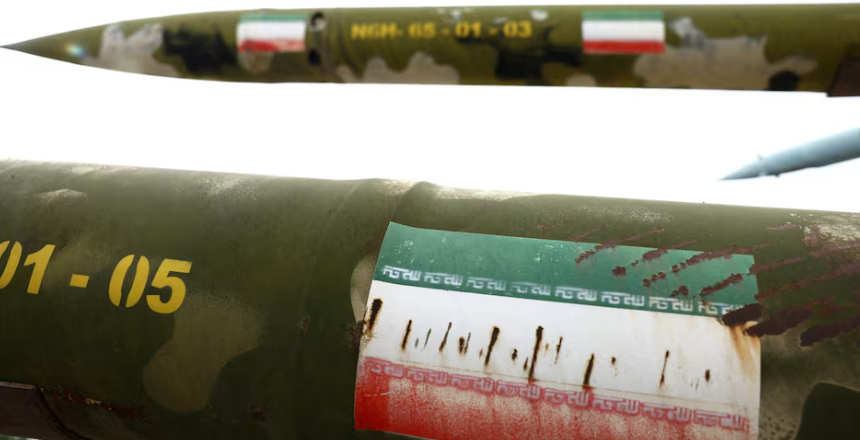
Intro: Nearly a month into the ongoing military conflict involving the US and Israel against Iran, new intelligence assessments indicate that only about one-third of Iran’s missile arsenal has been definitively destroyed, raising concerns about Tehran’s remaining military strength.
Washington
According to multiple sources familiar with classified intelligence, the United States has confirmed the destruction of roughly one-third of Iran’s extensive missile stockpile.
However, the status of another significant portion remains uncertain. Intelligence officials believe that ongoing airstrikes and bombardments may have damaged, destroyed, or buried additional missiles within Iran’s underground tunnel systems and fortified bunkers. These findings were shared by individuals who requested anonymity due to the sensitive nature of the information.
The assessment also extends to Iran’s drone capabilities. Sources suggest that while a portion of these unmanned systems has been eliminated, a considerable number may still be operational or recoverable. This raises concerns about Iran’s ability to sustain or rebuild its offensive capacity once hostilities decrease.
Despite heavy bombardment, intelligence reports indicate that Iran retains a notable missile inventory. Experts warn that some of the missiles believed to be buried or damaged could potentially be restored and redeployed in the future. This lingering capability underscores the complexity of the conflict and the challenges in fully neutralizing Iran’s military infrastructure.
The findings appear to contradict recent public statements made by former U.S. President Donald Trump, who claimed that Iran had very few rockets left. While his remarks suggested a near depletion of Iran’s arsenal, intelligence sources highlight a more nuanced reality, with significant uncertainties still surrounding the extent of damage inflicted.
Additionally, officials have acknowledged that remaining Iranian missiles and drones could pose a threat to future U.S. operations, particularly in securing the strategically critical Strait of Hormuz. This vital maritime route plays a crucial role in global energy supplies, making its protection a top priority amid ongoing tensions.