


Blurb: As Bangladesh readies its first nuclear reactor, experts warn fuel loading risks, weak local expertise, and grid challenges could impact safety and long-term project success.
DHAKA
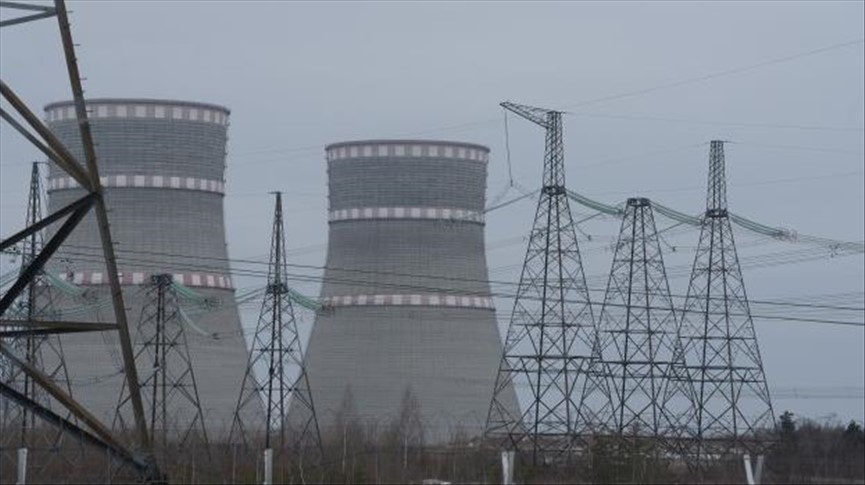
As Bangladesh prepares to load fuel into its first nuclear power reactor at Rooppur on April 7, a leading scientist has issued a strong note of caution.
Dr. Kamrul Hassan Mamun, a physics professor at Dhaka University, warns that while the project is a milestone, the country may not be fully prepared for the risks involved.
In an article for The Daily Star, Dr. Mamun highlighted that fuel loading is the most dangerous phase of a reactor’s life. He pointed to past disasters like Chernobyl and Fukushima as reminders that even tiny mistakes can have catastrophic, long-lasting effects. He argues that Bangladesh lacks the deep “scientific ecosystem” needed to manage such sensitive technology safely.
A major concern is that the project relies heavily on foreign loans and expertise rather than homegrown talent. Dr. Mamun noted that successful nuclear nations, like India, built a strong foundation of local scientists and engineers decades before starting their plants. Without this, he fears the plant remains an “imported system” rather than a national capability.
Technical challenges also loom. Bangladesh’s power grid may be too weak to handle the massive 1,000-megawatt output from a single reactor. If the grid fluctuates, it could lead to widespread power failures. Unlike gas or hydro plants, nuclear reactors cannot easily turn their power up or down, making coordination difficult. Dr. Mamun concludes that while the plant can light up cities, its true success depends on whether Bangladesh can build the schools, experts, and safety cultures required to sustain it.