


LAHORE
Financial experts are sounding a loud alarm, warning that Pakistan’s economy is standing on shaky ground.
Without immediate and deep structural changes, the nation remains dangerously vulnerable to global market shifts. The primary concerns cited by analysts include a heavy reliance on expensive imported fuel and worryingly low financial reserves.
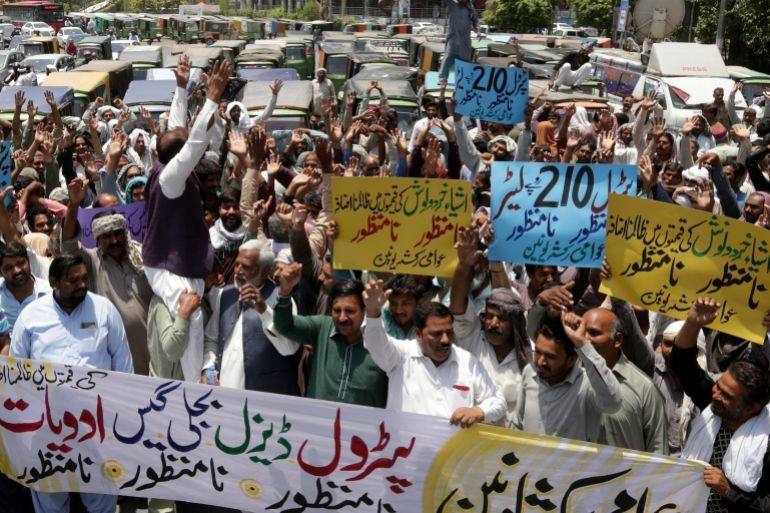
Recently, the government decided to hike taxes on high-quality fuel, specifically targeting luxury vehicle owners to raise quick revenue. While officials hope this move shields the general public from soaring costs, experts warn that this is merely a temporary fix. Global oil prices continue to climb due to ongoing tensions in the Middle East, and supply chain disruptions are expected to keep these costs high for the foreseeable future.
Finance Minister Muhammad Aurangzeb has candidly admitted that “relying on hope” is no longer a viable strategy. He emphasized that the country needs practical, long-term solutions rather than short-term patches. Deep-seated issues, such as limited government funds and a lack of domestic production, still remain unaddressed.
Past efforts to save money, such as cutting fuel allowances or encouraging remote work, have seen very little success. Now, experts suggest that tougher, more politically difficult measures might be necessary. This could include forcing markets and businesses to close early to slash energy consumption. While these steps may be unpopular, they are increasingly seen as the only way to stabilize the economy and prevent a much larger financial crisis down the road.