


INTRO: The Bill aims to bring five central forces — CRPF, BSF, ITBP, SSB and CISF — under a unified administrative framework.
New Delhi
The Rajya Sabha on Wednesday began discussion on the Central Armed Police Forces (General Administration) Bill, 2026, which seeks to ensure a dominant role for Indian Police Service officers in the top leadership of the country’s paramilitary forces.
The move has drawn sharp criticism from opposition parties and retired CAPF officers. They argue that the Bill undermines a Supreme Court judgment delivered on May 23, 2025. In that verdict, the apex court granted Organised Group A Service status to CAPF officers and directed the government to progressively reduce IPS deputation in the forces up to the rank of Inspector General over the next two years.
The Bill aims to bring the five central forces — Central Reserve Police Force (CRPF), Border Security Force (BSF), Indo-Tibetan Border Police (ITBP), Sashastra Seema Bal (SSB) and Central Industrial Security Force (CISF) — under a unified administrative framework.
It provides that 50 per cent of the total posts in the rank of Inspector General, at least 67 per cent of the posts in the rank of Additional Director General, and all posts in the ranks of Special Director General and Director General in the CAPFs shall be filled by IPS officers on deputation.
Till now, such postings were governed by executive orders. The proposed legislation aims to codify these provisions into law.
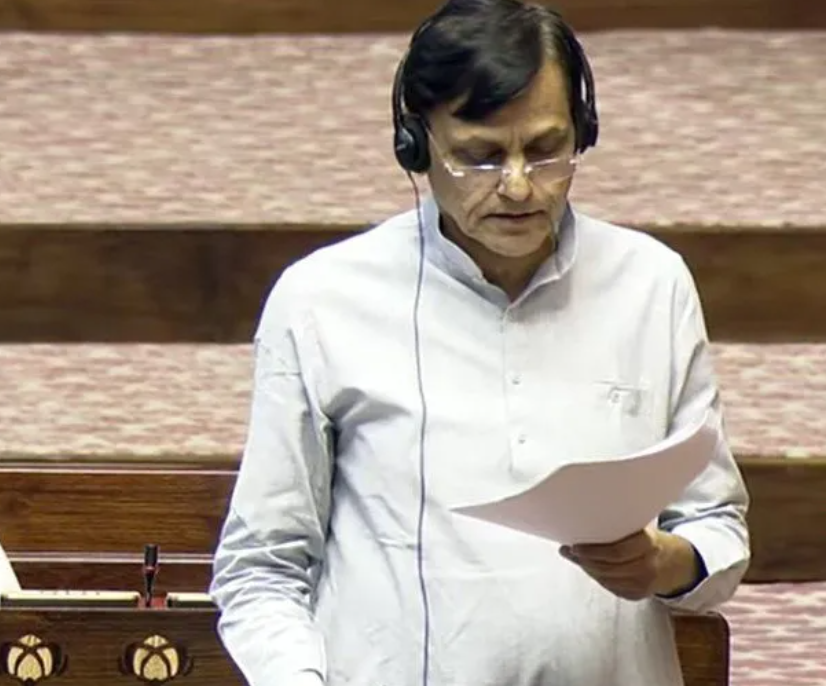
The Bill was tabled in the Upper House by Union Minister of State for Home Affairs Nityanand Rai.
CPI(M) MP John Brittas strongly opposed the Bill, stating that it travels beyond the legislative competence of the government acting under an ordinary piece of legislation.
He added, While Parliament is competent, it cannot by mere declaration annul operative judicial orders without genuinely addressing the legal basis.
The Chair asserted that Parliament has the legislative competence to enact the law. However, Brittas countered that Parliament cannot override a judicial order merely by declaration without properly addressing its legal foundation.