


Intro
Japan begins unprecedented oil release from emergency reserves to stabilize economy amid Middle East conflict and blocked shipping routes.
TOKYO
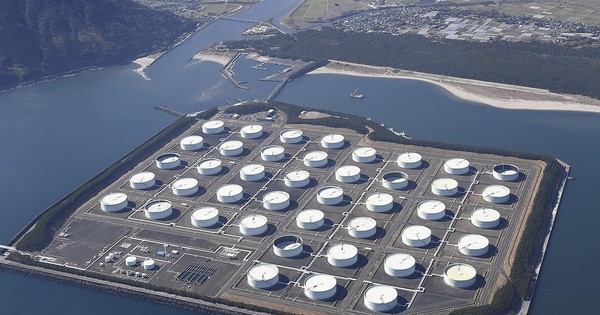
Japan has officially begun the largest oil release in its history to protect its economy from the escalating conflict in the Middle East. The government opened up its private emergency stocks, releasing fifteen days’ worth of fuel to ensure gas stations and factories remain powered. This bold move comes as the effective closure of the Strait of Hormuz blocks nearly all traditional shipping routes used to bring oil into the country.
Prime Minister Sanae Takaichi announced that this is only the first step. By the end of March, the government will release another full month of supply from its own national stockpiles. Japan is exceptionally well-prepared for this crisis, between private, government, and joint reserves, the nation holds enough oil to last for 254 days. This massive safety net allows the country to function for over eight months even if not a single new drop of oil arrives by sea.
This action is part of a global rescue plan led by the International Energy Agency, which is injecting over 400 million barrels into the world market to stop prices from spiraling. While Japan is flooding the market with oil, it is staying out of the military conflict. Despite pressure from the U.S. to send warships to the region, Tokyo has declined, citing legal limits. Instead, Japan’s leaders are focusing on “peace through strength” by securing their own energy and working closely with allies to find a diplomatic way to reopen the seas.