


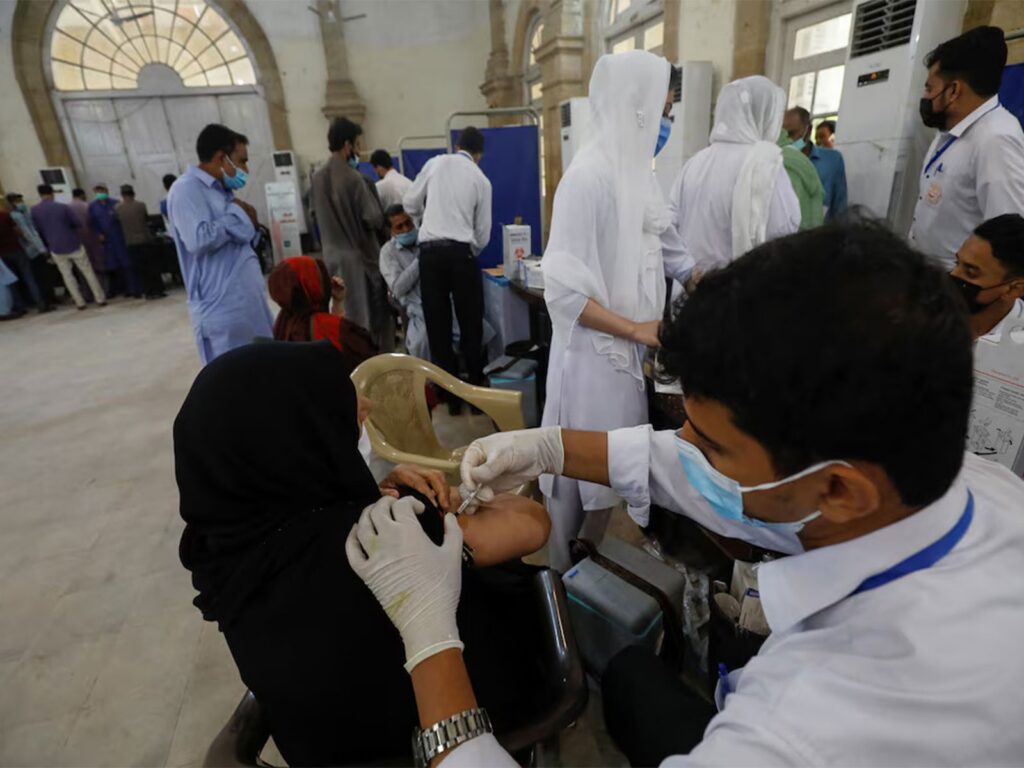
Intro: Officials say rising patient loads, limited funds and weak oversight continue straining district hospital services
Peshawar
Severe funding shortages in district hospitals are worsening healthcare services and pushing patients toward already overcrowded facilities in Peshawar, officials say.
Medical Teaching Institutions (MTIs) outside Peshawar are facing serious financial problems that are affecting patient care. Senior officials have urged the provincial government to correct what they call an unfair distribution of healthcare funds.
Administrators from districts including Mardan, Swabi, Nowshera, Dera Ismail Khan and Bannu said limited budgets have made it difficult to buy modern medical equipment, maintain medicine supplies and hire needed doctors and support staff. According to reports , most government funding is focused on Peshawar, which has five of the province’s 11 MTIs.
Due to weak facilities in their home districts, thousands of patients travel to Peshawar for treatment. This has led to overcrowded wards and shortage of beds in the city’s hospitals.
Hospital officials said most of their funds are spent on regular expenses such as salaries, utility bills and medical oxygen. Very little money remains for new machines, medicines or facility upgrades. Some hospitals are still using outdated equipment, while plans to install CT scanners, MRI machines and Cath labs have been delayed because of lack of funds.
One medical director said patient numbers have increased sharply over the past seven years, but budgets have not been raised accordingly. Another administrator stressed that the government’s promise of providing free medicines in wards and emergency departments cannot be fulfilled without additional support.
Officials also raised concerns about better-funded hospitals like Lady Reading Hospital, which receives around PKR 8 billion annually but still faces complaints about service quality.
The MTI Policy Board, headed by Nausherwan Barki, has recently visited district hospitals to review gaps and promised closer monitoring to improve standards.