


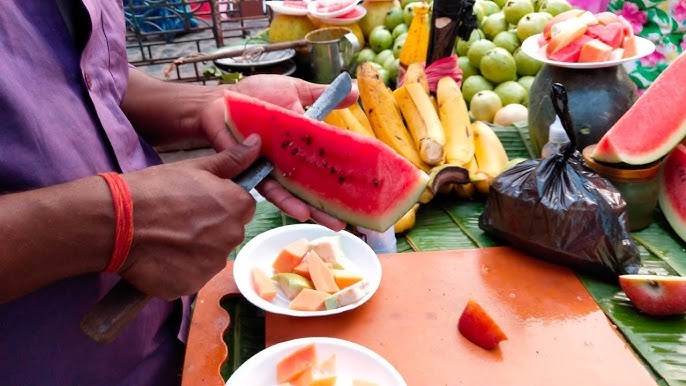
Blurb: Buying fruits is steadily becoming more expensive for residents, with most varieties in city markets witnessing a price rise of at least 20 percent over the past six weeks.
BENGALURU
Traders attribute the spike to seasonal fluctuations and inconsistent arrivals. The city sources much of its fruit supply from Maharashtra, Haveri, Devanahalli and other parts of Karnataka. As arrivals tighten, prices have climbed across the board. Bananas, which were priced at Rs 40, are now selling for around Rs 70 per kg. Pomegranates, which earlier retailed at Rs 100–120 per kg, have surged to Rs 160–200 per kg.
Grapes, too, have seen a sharp jump. The price of green varieties went up from Rs 100 per kg to Rs 160. Apples, priced Rs 120 earlier, are now selling for around Rs 180 per kg. Guavas, once available for Rs 100–120 per kg, are currently priced at nearly Rs 140. Black grapes cost Rs 240–280 per kg. Among relatively affordable options, watermelon and muskmelon are selling at about Rs 50 per piece, while sapota ranges between Rs 100 and Rs 140 per kg. Traders at KR Market told that the recent spike is partly due to stock accumulation by a handful of wholesalers ahead of the festive season, which has temporarily tightened supply.
For consumers, however, the explanations offer little comfort. P Anupama, a homemaker from South End Circle, said the increase is evident everywhere including on online platforms. I came to KR Market thinking prices would be lower than in other parts of the city. But even here, apples are selling at Rs 200 per kg, which is very high. Still, since fruits are healthy, I don’t want my children to miss out on them in their daily diet, she said.
Experts suggest that the prices will continue to be high till the end of the month.
R Selvarajan, Director of ICAR–National Research Centre for Banana, said, farmers are increasingly looking at the Mumbai market, as it is more attractive now. Bananas are widely consumed, including by diabetics. Compared to many other states, Karnataka currently has lower supply, while demand went up as more people are seeking bananas. Supplies are likely to improve in April and May with the arrival of the new harvest.