


Mumbai
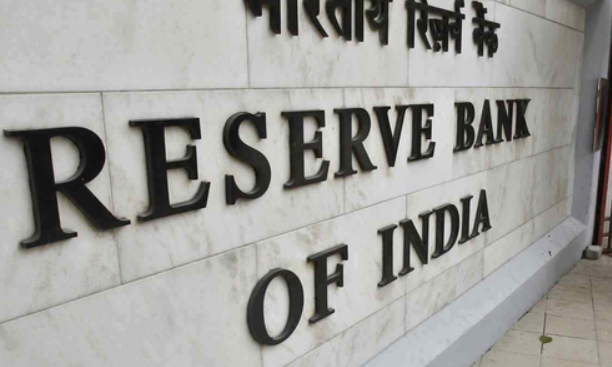
The Reserve Bank of India (RBI) on Friday issued a draft circular proposing revised guidelines for the Lead Bank Scheme and invited public comments until March 6, 2026. The move is aimed at streamlining operational aspects of the long-running financial inclusion framework.
RBI Governor Sanjay Malhotra had earlier announced in the Statement on Developmental and Regulatory Policies on February 6 that updated guidelines for the scheme would be released shortly. The revised framework seeks to fine-tune the objectives of the Lead Bank Scheme, clarify the structure and membership of various coordination forums, and clearly define the roles and responsibilities of key functionaries.
According to the central bank’s statement, the draft also proposes measures to strengthen the functioning of the State Level Bankers’ Committees (SLBCs) and Lead District Manager offices. These bodies play a critical role in coordinating banking and development activities at the state and district levels.
The Lead Bank Scheme was originally introduced by the RBI in December 1969 to enhance the flow of institutional credit to priority sectors and promote rural development. Under the scheme, a designated bank in each district is assigned the responsibility of acting as the lead bank. This bank coordinates efforts among credit institutions and government agencies to improve financial inclusion, branch expansion, deposit mobilisation, and lending to priority sectors.
The scheme was last comprehensively reviewed in 2009 by a High-Level Committee of the RBI. After consultations with stakeholders including state governments, banks, development institutions, academicians, NGOs and microfinance institutions, the committee concluded that the scheme had successfully supported rural and semi-urban development. There was broad consensus that it should continue.
With significant changes having taken place in the financial sector over the years including digitisation, fintech expansion and new regulatory frameworks the RBI’s revised draft aims to modernise the scheme while preserving its core objective of inclusive growth. Stakeholders can submit feedback via email with the specified subject line before the March 6 deadline.