


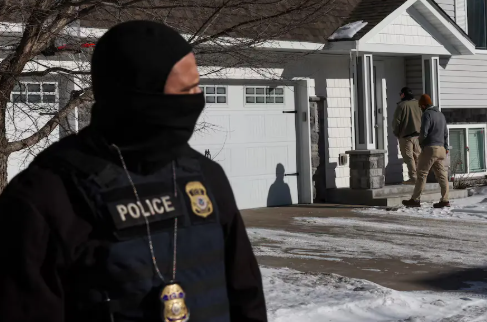
Blurb: Internal guidance directs ICE officers in Minnesota to avoid engaging with agitators and focus on immigrants with criminal histories.
Minneapolis
U.S. federal immigration officials in Minnesota have been given new internal instructions to minimise contact with so-called agitators as they continue carrying out enforcement operations under President Donald Trump’s immigration crackdown, according to internal guidance reviewed by Reuters. The directive represents an operational shift intended to de-escalate tensions in the state after violent clashes during recent immigration raids.
The fresh guidance comes in the wake of two fatal shootings in Minneapolis, Minnesota, US involving federal agents and U.S. citizens protesting against immigration enforcement operations. The memo, issued by senior officials in the U.S. Immigration and Customs Enforcement Enforcement and Removal Operations division, instructs officers not to argue with or attempt to persuade protesters but instead to verbally issue clear commands if necessary. It explicitly states: DO NOT COMMUNICATE OR ENGAGE WITH AGITATORS, saying such interactions can unnecessarily inflame situations.
A key change in enforcement strategy outlined in the guidance is a renewed focus on what ICE terms targeted arrests. Officers are now directed to pursue only those non-citizens who have criminal charges or convictions — a departure from broader sweeps that included community stops and questioning. The new approach marks a return to a more legally narrow enforcement focus.
The shift comes amid heightened scrutiny of federal immigration tactics in Minnesota, with local leaders and judges criticising ICE for actions that federal courts have said violated multiple orders. In late January, a federal judge rebuked ICE for ignoring scores of court mandates tied to enforcement conduct, although a threatened contempt proceeding against the acting ICE director was later dropped after the agency complied with a court order to release a detainee.
Tensions remain high in the Twin Cities region, with federal officials and local authorities trading public barbs over jurisdiction and enforcement responsibilities.