


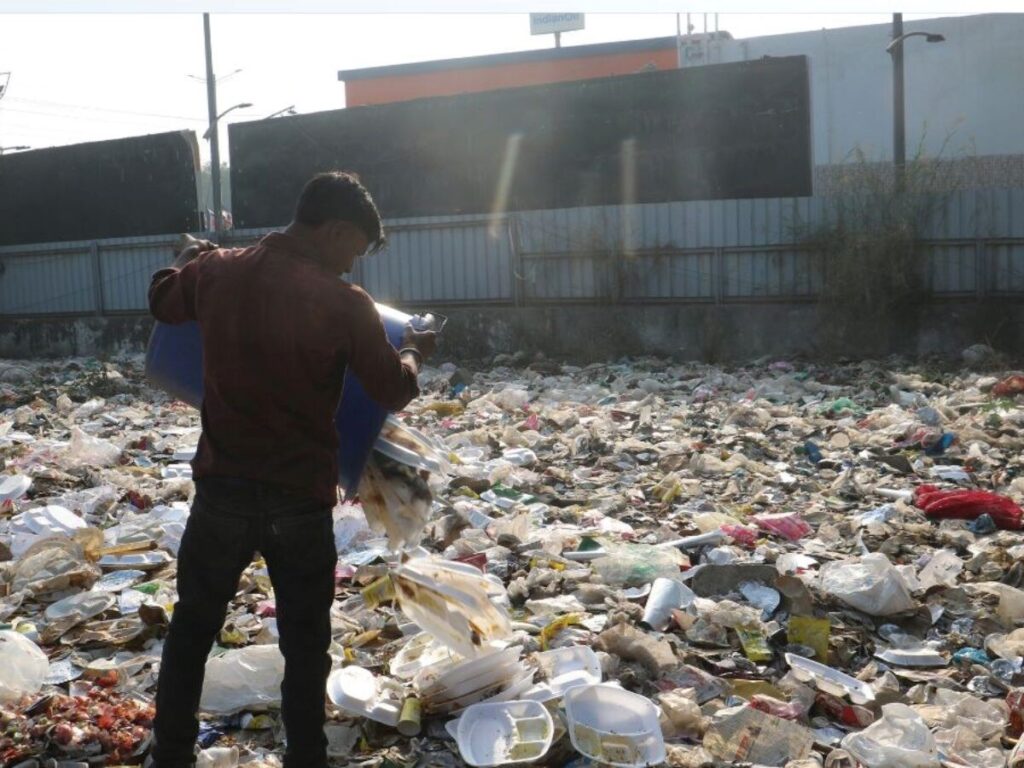
Despite the grim picture, India has witnessed positive transformations that prove improvement is possible. The Swachh Bharat Mission, despite its limitations, has created greater awareness about cleanliness and sanitation. Cities like Indore have dramatically improved their cleanliness rankings through sustained effort. Community-driven initiatives in various neighborhoods have successfully transformed local environments.
The younger generation shows promising signs. Many young Indians actively participate in cleanliness drives, demonstrate environmental consciousness, and challenge civic violations on social media. This generational shift, if nurtured, could catalyze broader change.
Technology offers new possibilities. Apps for reporting civic violations, GPS-based traffic monitoring, and public grievance redressal systems can strengthen accountability. Smart cities initiatives, if implemented thoughtfully, could redesign urban spaces to encourage better civic behavior.
Education reform must prioritize civic sense from primary school onwards, not as theoretical knowledge but through practical engagement with community service and civic participation. When children grow up actually cleaning parks, managing waste responsibly, and experiencing the satisfaction of maintaining public spaces, these values become internalized rather than imposed.
Enforcement needs strengthening, but with a focus on consistency rather than occasional crackdowns. When rule-following becomes the norm rather than the exception, social pressure itself becomes an enforcement mechanism.