


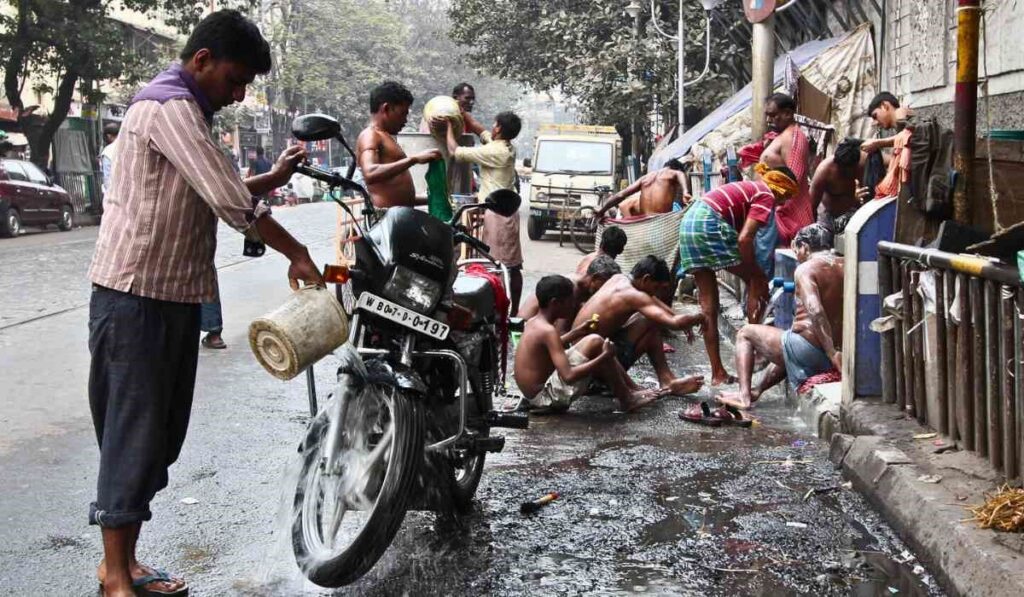
When we walk through Indian cities, certain scenes have become painfully familiar: garbage piled on street corners despite bins nearby, vehicles honking incessantly in traffic jams, people jumping queues without hesitation, and public spaces defaced with gutka stains and graffiti. These everyday observations have led many to declare that lack of civic sense is India’s biggest problem. But is this assessment accurate, or does it oversimplify a complex web of challenges facing the nation?
The question demands careful consideration because while civic sense issues are undeniably visible and frustrating, India faces numerous other critical challenges including poverty, unemployment, healthcare inadequacy, and educational disparities. To understand whether civic sense truly represents the nation’s paramount concern, we must examine what civic sense means, how its absence manifests in India, why it persists, and whether it deserves the title of our biggest problem.
Understanding Civic Sense in the Indian Context
Civic sense refers to the social ethics and behavior that citizens exhibit toward their community and fellow residents. It encompasses respect for public property, adherence to traffic rules, maintaining cleanliness in shared spaces, queuing discipline, noise regulation, and generally conducting oneself in ways that don’t inconvenience others or damage common resources.
In India, the deficit of civic sense manifests in countless ways. Our streets are littered despite the presence of dustbins. People spit in public spaces without hesitation. Traffic rules are treated as mere suggestions rather than mandatory regulations. Public walls become canvases for urination and advertisements. Queue-jumping is so common that organized lines often feel like a rarity rather than the norm. Parks and monuments are vandalized with carved names and discarded waste. The list continues endlessly.