


BEIJING
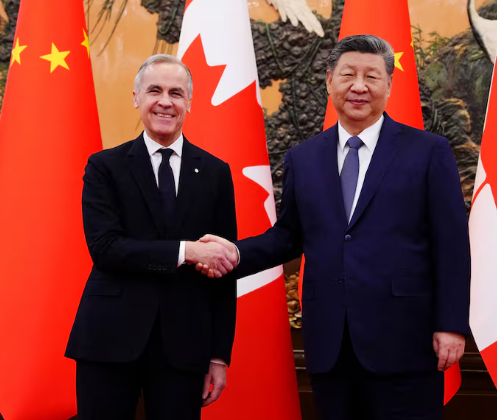
Canada and China have agreed to sharply reduce tariffs on electric vehicles and canola in a major step toward repairing strained trade relations, Canadian Prime Minister Mark Carney said on Friday.
Under the new arrangement, Canada will allow imports of Chinese electric vehicles at a tariff rate of 6.1 per cent, a sharp cut from the earlier 100 per cent duty imposed in 2024. Carney said the move would help Canada rebuild cooperation with its second-largest trading partner.
He added that the agreement would also open doors for Chinese investment in Canada’s clean energy and automobile sectors, supporting jobs and long-term growth.
China, in return, is expected to significantly lower tariffs on Canadian canola seed by March 1. Current combined tariffs stand at around 84 per cent, but are expected to fall to nearly 15 per cent, offering major relief to Canadian farmers.
Carney said China is a four billion dollar market for Canadian canola, and easing restrictions would unlock nearly three billion dollars in export orders. Tariffs on other products such as canola meal, lobster, crab, and peas are also expected to be removed for the rest of the year.
The two countries also agreed to restart high-level economic talks and boost cooperation in agriculture, oil, gas, and green energy. Canada welcomed further Chinese investment and said it plans to double its energy grid capacity over the next 15 years.
Carney said Canada aims to expand liquefied natural gas exports to Asia, targeting 50 million tonnes annually by 2030.
Analysts said the deal reflects Canada’s effort to diversify trade ties amid tensions with the United States. While Ottawa remains a close US ally, experts believe the agreement signals a more practical approach toward China.
Both sides said the reset would help remove trade barriers and build a more stable economic relationship going forward.