


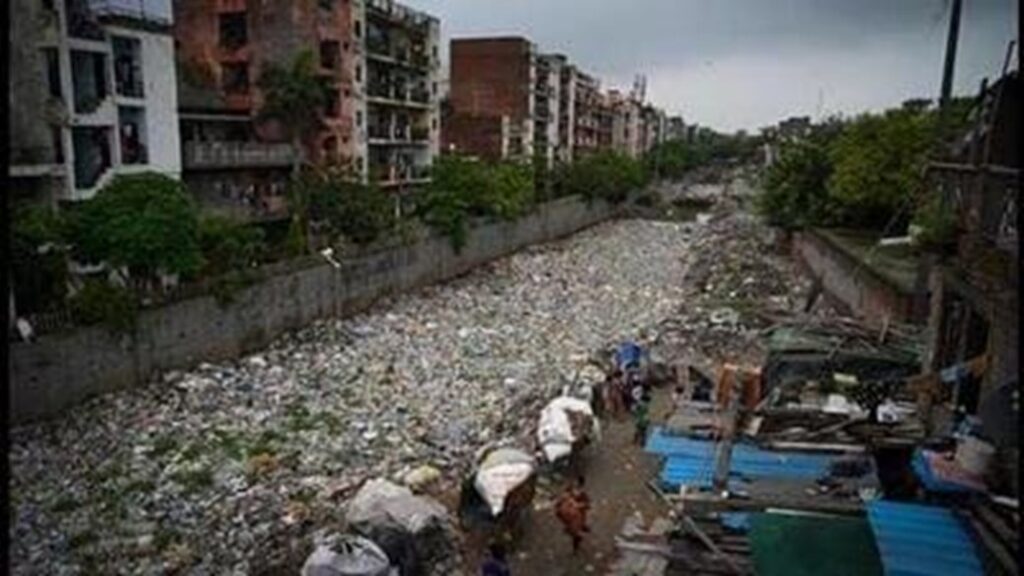
The contamination crises unfolding across Indian cities are not random maintenance failures. They are symptoms of systemic dysfunction rooted in four key areas:
Infrastructure Age and Design: Most urban water systems were designed decades ago using gravity-fed distribution and intermittent supply. These systems are inherently vulnerable to contamination. Replacement requires massive capital investment and engineering redesign, yet maintenance budgets remain inadequate for even basic repairs.
Staffing Crises: CAG audits document vacancies of 18-29 percent in technical and field positions. Water boards lack the personnel to conduct routine inspections, respond to complaints, or implement preventive maintenance programs. This staffing shortage directly translates into delayed leak repairs, missed early warning signs, and reactive rather than proactive management.
Lack of Digital Infrastructure: Most Indian cities lack GIS mapping of their water and sewage networks. Decisions about pipe replacement, maintenance scheduling, and contamination response are made based on paper records or institutional memory—an inherently unreliable system. Modern smart sensors, real-time monitoring systems, and geographic information systems could enable early detection and rapid response, yet remain absent in most municipalities.
Fragmented Governance: Responsibility for water supply, sewage, and public health is often split across multiple authorities—water boards, municipal corporations, health departments—that fail to coordinate. The Gandhinagar crisis exemplifies this: water engineers laid new pipelines without consulting sewage engineers, resulting in the cross-contamination that caused the typhoid outbreak.