


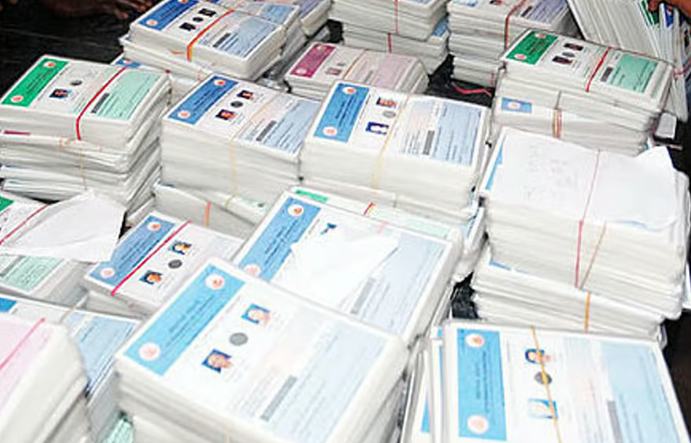
Authorities uncovered a ration smuggling network in Ramanagara, seizing huge quantities of rice and ragi meant for poor families.
Ramanagara
Ramanagara district has come under sharp focus following the exposure of an organised black market network involved in the illegal diversion and sale of subsidised foodgrains meant for the poor. Rice, millets, and other essential commodities that should have reached beneficiaries through BPL (Priority Families) cards and AAY (Antyodaya Anna Yojana) cards were instead being siphoned off and sold in the open market, depriving vulnerable families of their entitled rations.
According to officials, the Food, Civil Supplies and Consumer Affairs Department has seized a total of 701.25 quintals of rice and 166.31 quintals of ragi over the past two years. These foodgrains were allegedly being transported for illegal sale in Kallasante markets. Acting on credible and specific information, enforcement teams conducted raids at multiple locations, intercepting vehicles used for smuggling ration commodities.
The department confirmed that 26 cases related to ration smuggling have been registered across various police stations in the district. Investigations have revealed the existence of a well-organised network involving middlemen who illegally procured foodgrains from fair price shops or beneficiaries and diverted them to commercial markets for profit. Officials said the scale and frequency of seizures indicate that ration diversion has been ongoing for a considerable period.
Most of the smuggling cases detected in Ramanagara district were intercepted along the busy Bengaluru–Mysuru National Highway, a key transit route frequently used to transport foodgrains illegally. Vehicles carrying ration rice and ragi were found heading towards Bengaluru, Mandya, and Mysuru, where demand for such commodities in informal markets is reportedly high. Department officials stated that smugglers often disguised ration stocks as legally sourced grain to evade checks.