


Chintamani
Growing public discontent has been reported in Chintamani taluk, where residents allege that authorities are turning a blind eye to the continued practice of banned African catfish farming. The illegal activity is reportedly taking place unabated around Chinnasandra village, triggering concerns over environmental damage, public health risks, and administrative inaction.
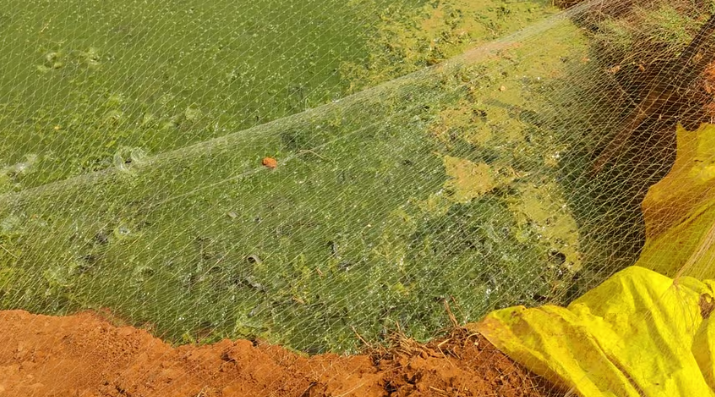
According to local residents, African catfish fry are being illegally imported from abroad and transported into the region through routes passing via West Bengal and Andhra Pradesh. These fry are then reared in makeshift ponds constructed on agricultural lands. In several cases, individuals are said to be renting farmers’ lands specifically to dig ponds for catfish farming, despite a clear ban on the species.
Villagers claim that repeated complaints to concerned departments have yielded little response. They allege that fisheries and local administrative authorities have failed to take effective action against those involved, allowing the illegal trade and farming to flourish openly. This perceived inaction has led to mounting frustration among residents, who fear long-term consequences if the practice continues unchecked.
Experts point out that African catfish is not a native species. Originating from Africa and Bangladesh, the species poses serious ecological threats when introduced into local water systems. Scientists have emphasized that any fish species intended for farming must receive official approval after thorough environmental and health assessments. Fisheries department officials have confirmed that no such approval has been granted for African catfish farming in the state.
Authorities have also warned that African catfish farming has adverse effects on both the environment and human health. The species is known for its aggressive nature and rapid growth, which can disrupt local aquatic ecosystems and threaten native fish populations. Due to these risks, the farming and sale of African catfish have been officially banned.
Adding to residents’ concerns are reports about unhygienic feeding practices. Locals allege that dead chickens, silkworm waste, and discarded waste from chicken shops are being used as feed for the fish.