


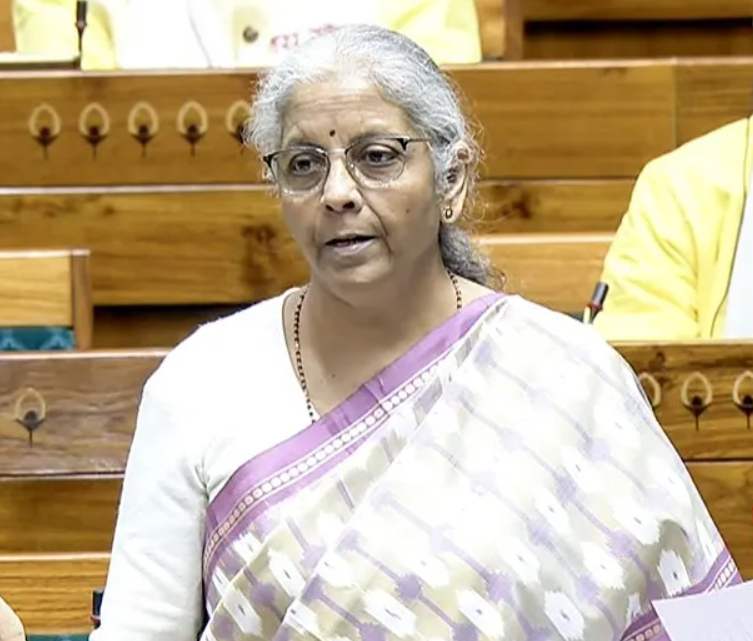
Sitharaman outlined tax exemptions, GST cuts, business reforms, employment, infrastructure, and credit schemes boosting urban and rural consumption
New Delhi
The Indian government’s multi-pronged approach is boosting consumption and driving robust economic growth, Finance Minister Nirmala Sitharaman told Parliament on Monday. The strategy combines demand-supporting measures, income-enhancing policies, and structural reforms, she explained, helping GDP growth and household incomes across the country.
Sitharaman highlighted several key policy measures. These include a new income tax exemption for annual earnings up to Rs 12 lakh, recent GST rate cuts, improved ease of doing business, employment and skilling programs, infrastructure development, and expanded access to credit through schemes like MUDRA and PMSVANidhi. Together, these initiatives aim to strengthen both urban and rural consumption.
Urban areas are benefiting from livelihood programs, tax reliefs, and wider digital payment access. Rural regions, meanwhile, are supported through flagship programs such as PM-KISAN, the Mahatma Gandhi National Rural Employment Guarantee Scheme, PM Awas Yojana (Gramin), agricultural productivity missions, and Self Help Group-based livelihood initiatives. These efforts are helping to increase incomes and broaden consumption across the country.
The Finance Minister emphasized that stronger consumption demand not only supports household incomes but also encourages private investment and reinforces overall economic growth. Data from the National Statistics Office shows that the share of Private Final Consumption Expenditure in GDP rose from 62.2 per cent in Q2 of 2024-25 to 62.5 per cent in Q2 of 2025-26. Growth in constant price terms also improved from 6.4 per cent to 7.9 per cent.
GDP at constant prices is estimated to have grown 8.2 per cent in Q2 of 2025-26, compared with 5.6 per cent in the same period last year and 7.8 per cent in Q1 of 2025-26, reflecting an accelerating growth momentum, Sitharaman noted.