


The Minister said GST taxes consumption, so a new 40% cess is planned as compensation ends, leaving some pan masala untaxed
New Delhi
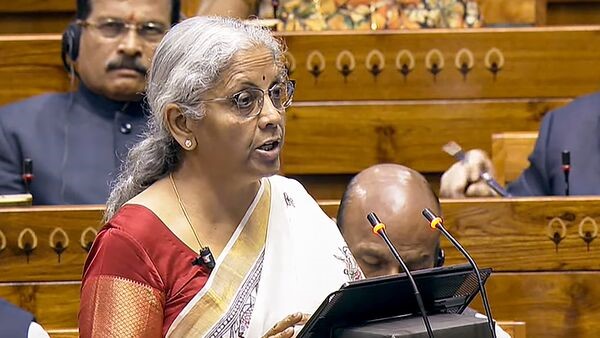
Union Finance Minister Nirmala Sitharaman on Thursday moved the Health Security se National Security Cess Bill, 2025 in the Lok Sabha for consideration and passing. She said the Bill aims to raise stable funds for two key areas—public health and national security.
Explaining the reason behind the proposal, the Minister noted that the GST system taxes consumption, not production. Products like pan masala are taxed at 28 per cent plus compensation cess under GST, but since the compensation cess is ending, the government plans to shift this portion into a new 40 per cent cess. She added that many varieties of pan masala still fall outside the tax net because GST does not consider production capacity.
Sitharaman explained that excise duty taxes production, which is why cigarettes are under excise. However, pan masala is not classified as an excisable product, so it cannot be taxed the same way. The new Bill introduces a production-based cess to address this gap and discourage the use of harmful goods.
She stressed that the cess will apply only to demerit goods and not essential items. The revenue will support national security needs and help address the heavy health burden caused by such products.
Congress MP Varun Chaudhury suggested sending the Bill to a Select Committee, pointing out that its title appears bilingual. The Bill, introduced on December 1, proposes a cess on products like pan masala, with rates ranging from Rs 1.01 crore to Rs 25.47 crore per machine per month. Penalties include fines and imprisonment for serious fraud.
A structured appeals process and strict inspection powers are included. The Bill aims to provide predictable resources for public health and security.