


CH NEWS, BENGALURU
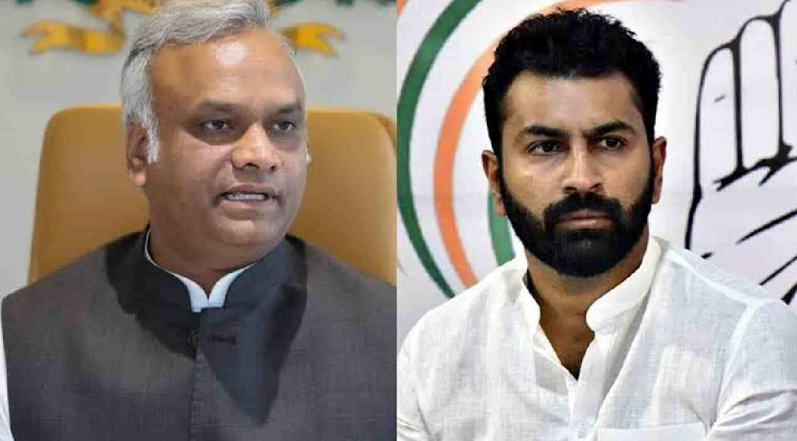
High-profile political friction in Karnataka reached a brief judicial pause as a local court extended formal protection to two prominent leaders. The 42nd Additional Chief Metropolitan Magistrate (ACJM) court officially granted bail to Minister Priyank Kharge and State Youth Congress President Mohammad Nalapad following their physical appearance in connection with an ongoing defamation proceeding. The legal action stems from contentious statements and digital posts targeting the Rashtriya Swayamsevak Sangh (RSS) and its cadre, a flashpoint that has increasingly blurred the lines between fierce ideological battles and formal courtroom litigation.
The proceedings initiated when both leaders responded directly to court-mandated summons requiring them to present themselves in person. Following brief legal arguments during the hearing, the magistrate approved the bail plea, imposing a personal surety bond of ten thousand rupees for each defendant. The appearance marked a critical procedural step in a complaint filed by a Bengaluru resident from the Siddapur locality, who argued that public remarks and online commentary propagated by the accused severely maligned the reputation of the right-wing organization.
The roots of the controversy stretch back to late last year. According to the foundational complaint, Priyank Kharge utilized the social media platform X, formerly known as Twitter, on October 14, 2025, to publish remarks deemed derogatory toward members of the Sangh. Parallel allegations were leveled against Mohammad Nalapad, who reportedly delivered sharp, objectionable criticisms concerning the ideological body during a video broadcast on a prominent YouTube channel. The complainant maintained that these coordinated expressions crossed the boundary of legitimate political discourse, effectively inciting public hostility and damaging the standing of the organization.
Political observers note that this legal challenge highlights a broader trend of utilizing civil and criminal defamation statutes to police political rhetoric in the state. The RSS and its affiliates have increasingly turned to judicial remedies to counter verbal attacks from ruling party figures, setting up prolonged legal battles that amplify pre-existing ideological divisions. As the case progresses toward its next procedural phase, both defendants will need to navigate the formal requirements of the trial while continuing their high-profile political engagements across the state.