


TLAOLA
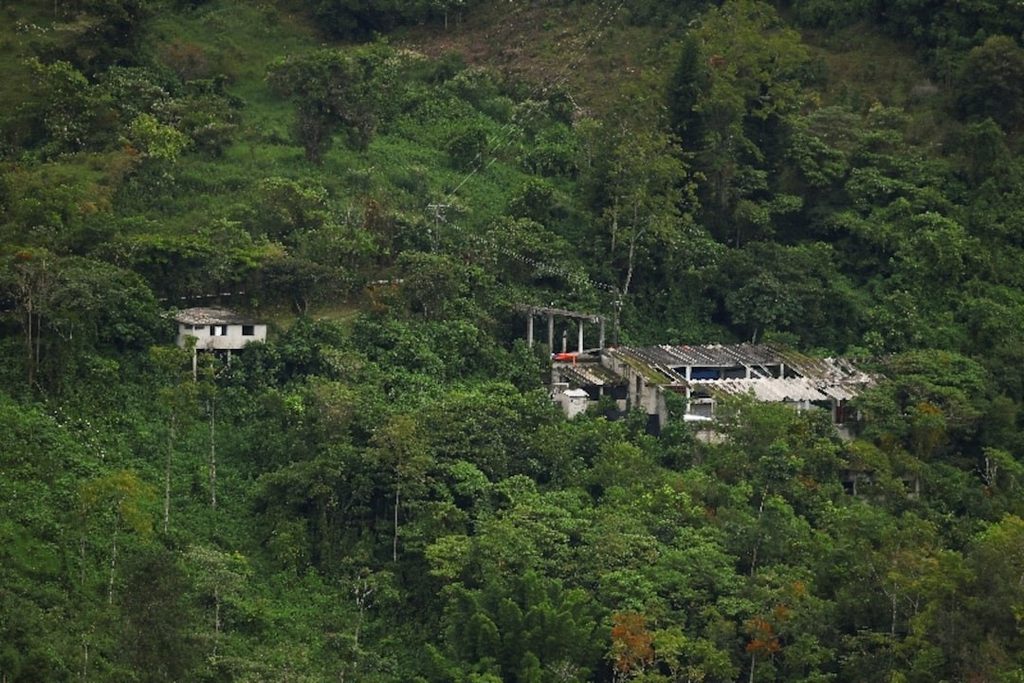
Nestled in the lush green mountains of Central Mexico, next to a sparsely traveled gravel road, few people had reason to wander close enough to hear the loud, mechanical whirring of a clandestine cryptocurrency farm.
What led police to the ramshackle building, suspected of mining virtual coins to launder illicit funds, was not only the noise but the vast amount of electricity needed to power and cool hundreds of specialized computing units, at levels far surpassing the needs of the small communities scattered around the Sierra Norte region of Puebla state.
Crypto mining which uses powerful computers to generate virtual assets such as bitcoin represents a new frontier in Mexico’s fight against organized criminal groups, which have extended their reach beyond drug trafficking and extortion into the murkier realm of financial crime.
In Puebla, authorities discovered 300 graphics processing units (GPUs), 80 medium-voltage terminals and eight satellite antennae — all geared to compete against millions of other machines to solve puzzles and create valuable new crypto coins.
While a relatively modest operation by international commercial standards, it is the fourth such crypto farm uncovered in the area since early last year.
“Drug cartels appear to have reached a new level of sophistication,” said David Saucedo, a Mexico-based security analyst, adding that setting up such an operation would have required technical expertise and backing from a well-financed group, such as one of Mexico’s most powerful cartels.
Mexico’s federal attorney’s office declined to comment, citing an active investigation. Globally, illicit cryptocurrency transactions more than doubled in 2025, with addresses linked to criminal activity receiving an estimated $154 billion, up from $59 billion a year earlier, according to blockchain analytics firm Chainalysis, which analyzed transaction volumes sent to illicit wallet addresses.
Chainalysis attributed much of the increase to a surge in transactions linked to sanctions evasion, including payments involving sanctioned governments.