


BENGALURU
In a major push to overhaul the academic landscape and resolve systemic student challenges, the Government of Karnataka has officially formed a high-level cabinet sub-committee dedicated to comprehensive education reform. This strategic administrative step is designed to address deep-seated issues plaguing both school and higher education systems across the state, ensuring a structured approach to modernizing public learning infrastructure and safeguarding student welfare.
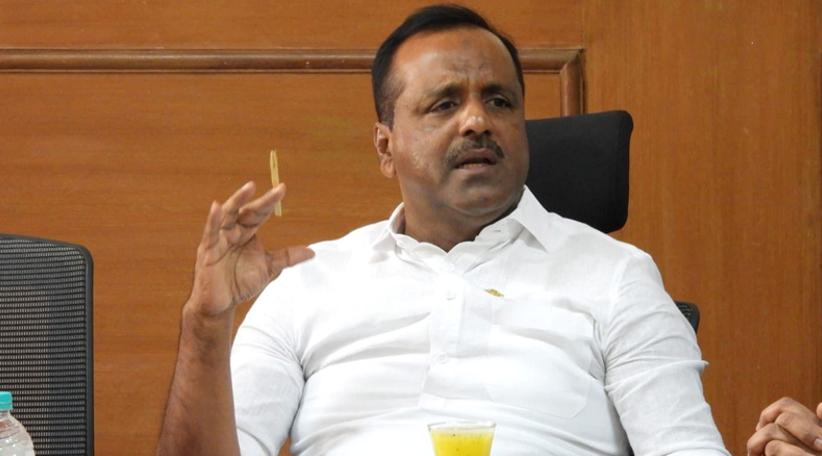
The newly constituted committee is led by senior political figure and legislator U.T. Khader as its chairperson. The panel features an influential group of four key ministers – Higher Education Minister Basavaraj Rayareddy, Home and ITBT Minister Priyank Kharge, Medical Education Minister Sharan Prakash Patil, and School Education Minister Madhu Bangarappa. The collective expertise of these leaders spans administrative governance, legal frameworks, and institutional management, providing the committee with the diverse perspective necessary to tackle complex academic hurdles.
The government has mandated the sub-committee to conduct extensive ground-level consultations and submit a detailed action report within the next month. To ensure complete transparency and inclusivity, panel members will interact directly with key stakeholders, including students, distressed parents, school and college teachers, academic experts, and private institutional management bodies from every district.
The primary objectives assigned to this committee are broad and ambitious. Officials aim to dramatically elevate the quality of teaching and academic delivery in government-run schools and colleges. Critical infrastructural deficiencies such as dilapidated classrooms, lack of digital tools, and insufficient sanitation facilities will be audited and addressed. Furthermore, the panel has been tasked with expediting the recruitment process to fill vacant teaching positions that have long strained public institutions.
Beyond public schools, the committee will focus on regulatory frameworks for the private education sector. It plans to implement strict oversight to control excessive fee hikes by private schools and colleges, monitor unregulated commercial coaching centers, and establish foolproof measures to prevent exam malpractice and question paper leaks. This decisive administrative move reflects the state government’s commitment to building a transparent, equitable, and high-performing education ecosystem for millions of students.